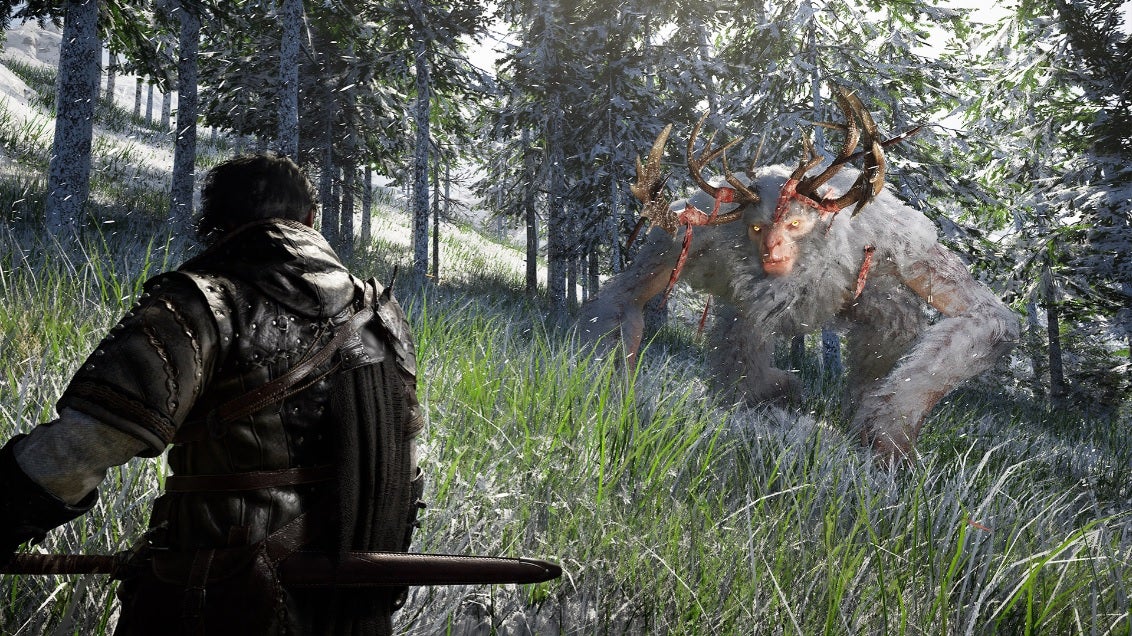
As the gaming industry continues to grapple with the aftermath of a seismic shift in player expectations, the recent performance of Crimson Desert has become a case study in modern game development challenges. Developed by South Korean studio Pearl Abyss, the game has sparked a critical debate about the viability of ambitious, high-stakes game designs in an era of increasingly sophisticated audience demands.
Can Crimson Desert Ever Match Cyberpunk 2077’s Legacy?
The question of whether Crimson Desert can achieve a Cyberpunk 2077-style triumph remains one of the most pressing in gaming today. Cyberpunk 2077, despite its rocky launch, became a cultural phenomenon that reshaped the industry’s approach to narrative-driven gameplay and immersive world-building. For Crimson Desert to reach similar heights, it would need to overcome critical flaws that have already emerged from its early reception.
One key factor is the critical reception gap. While players have embraced Crimson Desert for its bold, cinematic storytelling and dynamic combat systems, critics have pointed out a disconnect between the game’s narrative depth and its technical execution. This divergence has led to a mixed critical reception that has, in some cases, overshadowed the game’s potential.
- Technical challenges: The game’s engine has faced criticism for performance issues and inconsistent frame rates, particularly on lower-end hardware.
- Storytelling gaps: Some players feel the narrative lacks the emotional resonance that defines Cyberpunk 2077’s success.
- Market positioning: The game’s release strategy, including delayed launch and limited early access, has alienated some segments of the audience.
These issues are not unique to Crimson Desert. They reflect broader industry trends where developers struggle to balance narrative ambition with technical precision. The Cyberpunk 2077 debacle taught us that even with a strong concept, a game can fail if it doesn't deliver on the promised experience.
For Crimson Desert to make progress, it must acknowledge these challenges head-on. The game’s developers have already responded with iterative updates, including performance optimizations and narrative refinements, but the critical gap remains a significant hurdle.
The recent 3 million copies sold milestone is a promising indicator of market success, even if critics remain divided. This metric highlights the tension between commercial and critical success—a tension that many games have experienced, but few have successfully resolved.
What makes Crimson Desert interesting is its potential to evolve beyond the initial reception. By learning from the lessons of past failures, the game could become a benchmark for future action-adventure titles that blend cinematic storytelling with technical precision. The key lies in addressing the specific issues that have hindered its early reception without compromising its core vision.