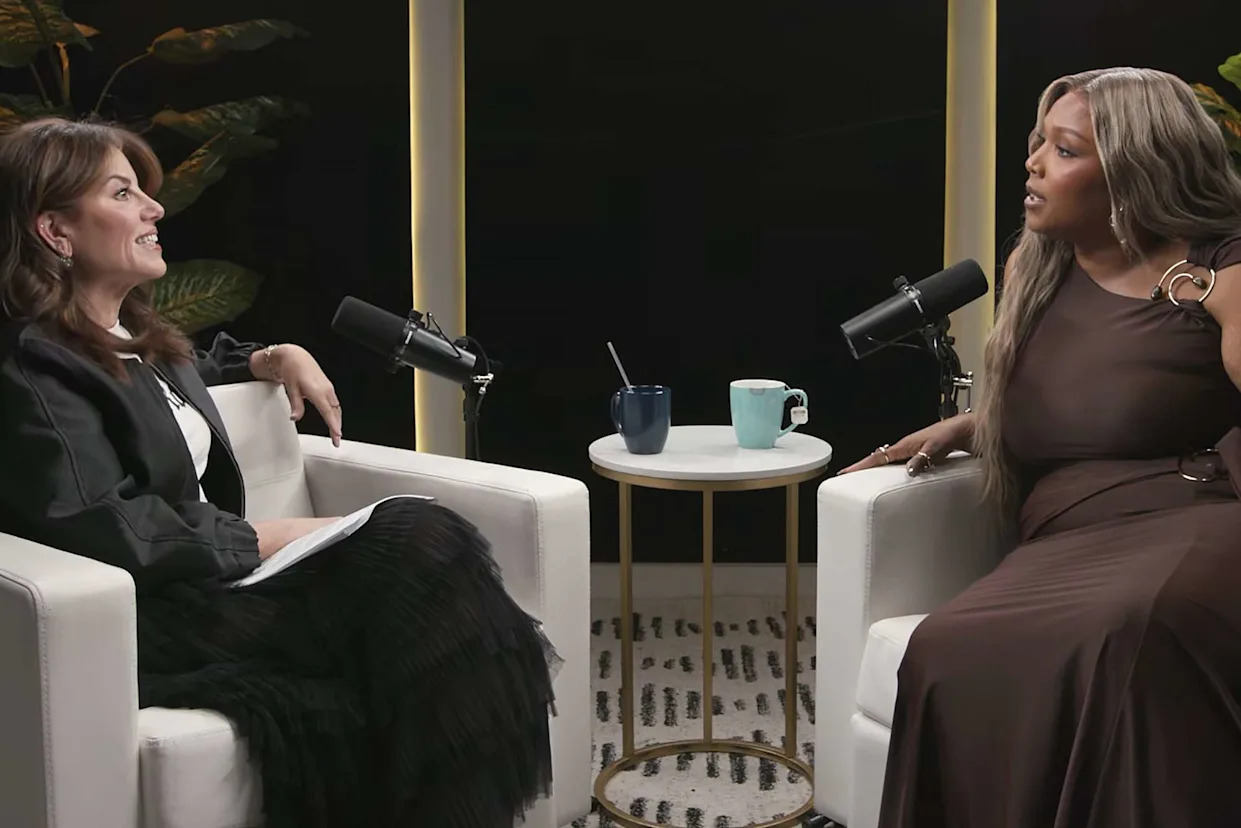
When Lizzo first emerged as a music and cultural force in the early 2000s, her bold approach to body positivity and self-love became a seismic shift in how society perceived women's bodies. Yet, this journey wasn't smooth. In a candid conversation with Monica Lewinsky on her Reclaiming podcast, Lizzo revealed how the harsh media scrutiny of women's bodies in the 1990s 'instantly ruined the stage' for her artistic expression and personal growth. This isn't just a personal story—it's a pivotal moment in the evolution of body-positive movements.
Lizzo's journey began in a time when the media's lens on women's bodies was narrow and often cruel. During the '90s, the body shaming narrative dominated conversations about women's health, beauty, and identity. Unlike today's inclusive and diverse body positivity movements, the media in the '90s labeled women's bodies as 'problematic' or 'imperfect' without giving them the space to thrive. Lizzo has repeatedly emphasized that this historical context was critical to understanding why she felt 'deeply offended' by the way women's bodies were treated in the past.
Why Did Lizzo Feel So Offended by 1990s Body Talk?
Lizzo's reaction to the '90s media narrative wasn't just about individual trauma—it was a systemic critique of how society labeled women's bodies as 'problems' rather than assets. She explained that in the '90s, women's bodies were often portrayed as flawed or imperfect, and this framing instantly impacted her ability to express herself authentically on stage and in her music.
- The body shaming narrative in the '90s was normalized, making it seem like women's bodies were inherently 'problematic'.
- Lizzo's early career was overshadowed by this lack of representation for women of color and size in mainstream media.
- The media's focus on 'perfect' bodies created a toxic environment that limited her artistic growth.
Lizzo's insights on this topic highlight the historical weight of body shaming and how it still echoes today. She argues that the '90s media narrative' wasn't just about individual women—it was a systemic failure to include diverse bodies in conversations about health and beauty.
Today, Lizzo continues to push for a more inclusive and equitable representation of women's bodies. Her work with the Reclaiming podcast and her advocacy for body positivity have become a critical resource for understanding how historical context shapes modern movements. By speaking openly about her experiences, Lizzo helps others reclaim their narratives and challenge the toxic stereotypes that have long dominated discussions about women's bodies.