Mexico's Missing Persons Crisis: A Third of 130,000 May Be Alive—What It Means for Families and National Security

Editor 28 Mar, 2026 ... min lectura

For over two decades, Mexico has grappled with a devastating humanitarian crisis: the disappearance of an estimated 130,000 individuals nationwide. Recent revelations by Mexican authorities suggest a startling turn in this grim reality—a third of those missing may actually be alive, challenging long-held assumptions about the scale and nature of the crisis. This revelation, confirmed by the National Public Security System (Sistema Nacional de Seguridad Pública) through its head, Marcela Figueroa, has ignited fierce debates among families, investigators, and policymakers alike.

How Could a Third Be Alive?

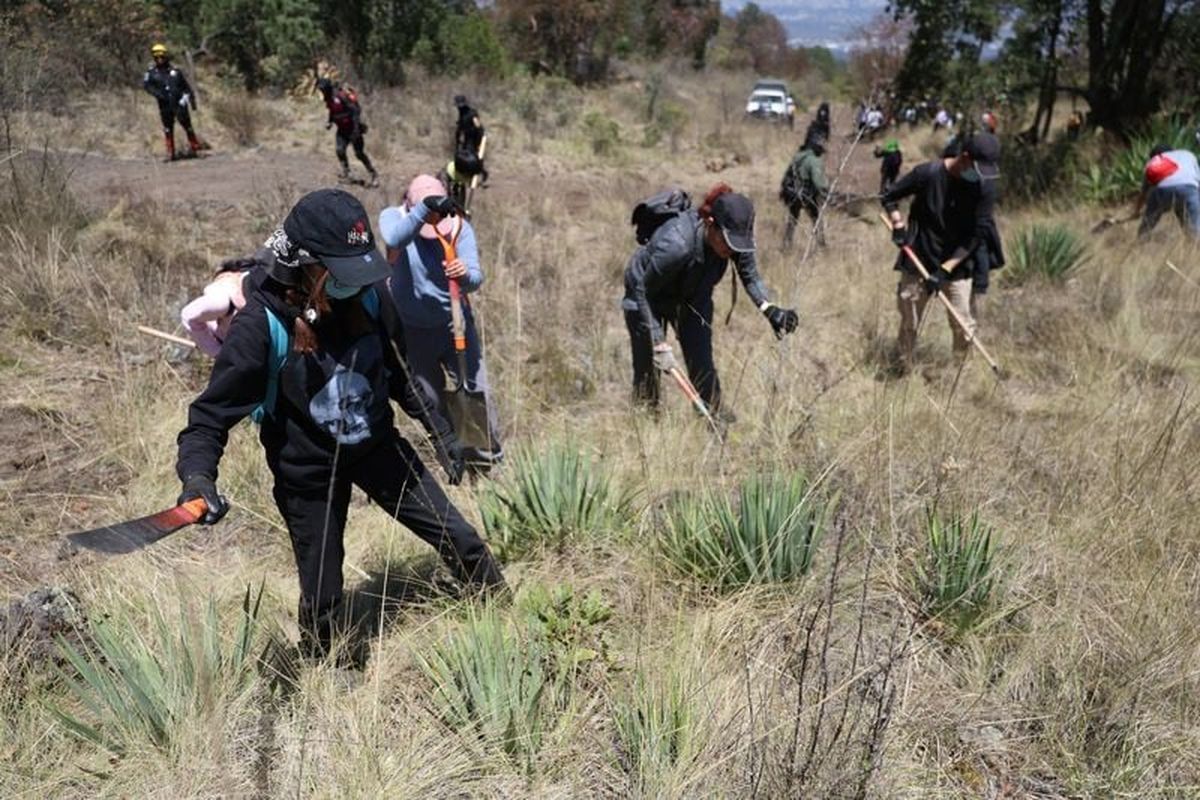
The official statement from the National Public Security System, shared through the collective Hasta Encontrarles, indicates that nearly 40,000 of the 130,000 individuals previously classified as 'disappeared' might have survived or been misclassified. This data comes from a collaborative effort between authorities and grassroots organizations like Hasta Encontrarles, which has been conducting systematic searches in high-risk zones like El Ajusco National Park since 2021.

The implications are profound. Historically, Mexico’s 'disappeared' figure has been used to highlight systemic corruption, violence, and state failure in addressing human rights violations. Yet this new data suggests that the traditional narrative—where every missing person is assumed dead or missing—is outdated and potentially flawed.

What’s Behind the Numbers?

Experts trace this shift back to the evolution of Mexico’s missing persons reporting system. Since 2015, the government has adopted a more nuanced approach, allowing families to submit evidence of survival through digital platforms. This has led to a gradual reclassification of cases from 'disappeared' to 'alive' or 'recovered'—a process that has been slow to gain traction due to bureaucratic hurdles and limited resources.

  • Reclassification criteria: Families must provide documented proof of survival, such as social media posts, medical records, or testimony from witnesses.
  • Geographic focus: High-risk areas like the border regions and rural communities have seen the highest rates of reclassification.
  • Public awareness: Organizations like Hasta Encontrarles have played a pivotal role in mobilizing communities to report potential survivors.

One key challenge remains: the time lag between a person going missing and their reclassification. Many families have been waiting years for confirmation that their loved ones are alive, often due to delays in accessing the system or lack of evidence.

The controversy also highlights the tension between humanitarian efforts and the political economy of missing persons. In many cases, the reclassification process has been criticized for being too slow, underfunded, or even manipulated by criminal groups who exploit the system to hide their activities.

Why Does This Matter Now?

The recent acknowledgment by the National Public Security System—and the fact that a third of the 130,000 might be alive—has sparked a critical reckoning for Mexico’s approach to missing persons cases. Families who have waited years for answers now face a new reality: their loved ones may not have been 'missing' at all.

For the government, this revelation is a test of its commitment to transparency and accountability. The National Public Security System has acknowledged that the initial data was based on outdated methods, and a new framework is being developed to ensure that reclassification is done more efficiently and fairly.

Yet, for families, the implications are deeply personal. Without clear, timely information, they continue to live with uncertainty—a reality that has haunted many communities since the early 2010s.