Ruth’s Chris Steak House has long been celebrated as a luxury dining destination, but its recent business-casual dress code has ignited a fierce online debate about what constitutes appropriate attire for fine dining. The controversy, which began over a simple rule requiring guests to 'ditch hats' and avoid dining at the bar, has now become a cultural touchstone in the restaurant industry.
Why Did This Spark So Much Attention?
At the heart of the dispute is a clash between traditional fine-dining expectations and modern, relaxed dining norms. Ruth’s Chris, a New Orleans-inspired steakhouse with over 200 locations, originally implemented the rule to create a 'cozy, relaxed' atmosphere. But its enforcement—especially the requirement to remove hats and avoid the bar—has drawn criticism from customers who feel it’s overly restrictive.
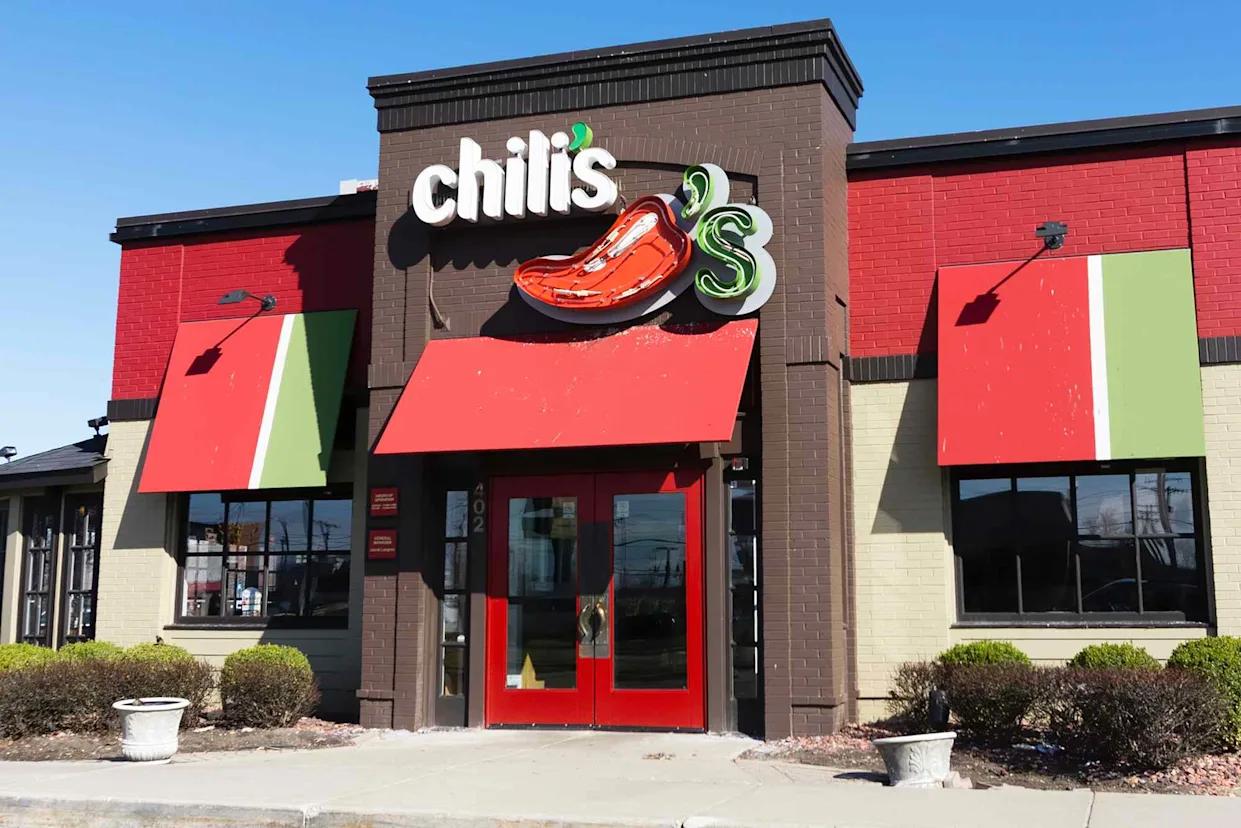
The backlash quickly escalated when Chili’s, a major competitor, responded with its own 'dress code' statement: 'The only dress code at Chili’s is that you have to be dressed.' This witty phrase, paired with their own relaxed approach to attire, has made the rivalry a viral moment online.
- Ruth’s Chris’ rule: 'No hats, no bar'—a strict interpretation of business casual
- Chili’s: 'You have to be dressed'—a more inclusive, low-pressure stance
- The internet: A mix of support and criticism, with users debating whether 'dressed' means formal or just not wearing a hat
While the conflict seems minor on the surface, it reflects deeper tensions in how restaurants define 'dressed' in an era of evolving social norms. The debate has drawn attention from food critics, influencers, and even fashion designers, who see this as a microcosm of broader cultural shifts in hospitality.
What Does This Mean for the Future of Restaurant Dress Codes?
The incident highlights how small business decisions can have massive ripple effects. As more restaurants adopt flexible dress codes, the 'dressed' standard is becoming a key metric for customer experience. For example, some establishments now allow denim jackets or sneakers, while others require business suits. The outcome of this clash will likely influence how restaurants balance luxury with accessibility.
Moreover, the conflict shows how social media amplifies even minor disputes. When Ruth’s Chris posted about its rule, it went viral, with users creating memes, polls, and even TikTok challenges. This has turned a simple policy into a mainstream conversation about inclusivity and personal expression.
What’s clear is that the dress code debate isn’t just about hats and bars—it’s about who gets to define 'dressed' in a changing world. As the industry evolves, restaurants will need to adapt their rules to reflect diverse customer needs without sacrificing their brand identity.