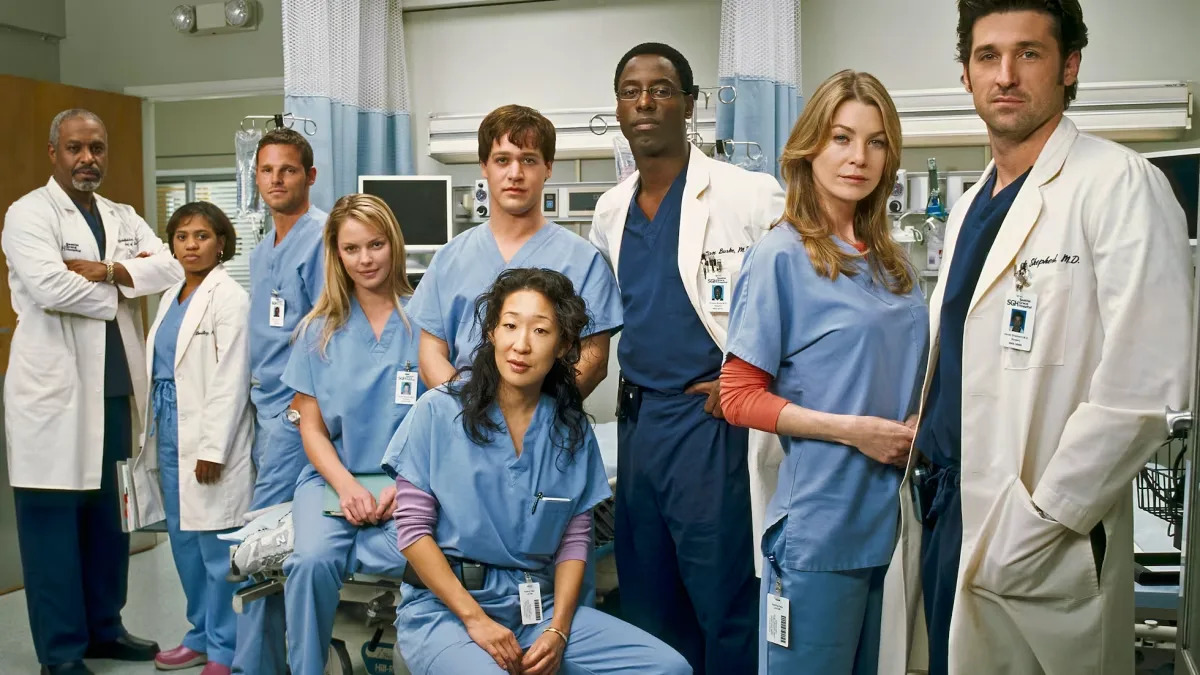
Twenty-one years ago, on March 27, 2002, the world witnessed the birth of a cultural phenomenon that would reshape medical storytelling and television history. Grey's Anatomy wasn't just a medical drama—it was a revolution in how audiences engaged with healthcare, ethics, and human drama. From its inception, the show has balanced intense hospital scenarios with deeply personal narratives, creating a blueprint for modern medical television that continues to influence creators today.
Why the 21st Anniversary Matters for TV History
Only eight U.S. prime-time series have ever reached 20+ years on air. Grey's Anatomy stands among them, with its 21-year milestone marking an unprecedented longevity for a medical drama. Unlike its competitors, which often struggled with audience retention after five years, Grey's Anatomy has maintained a dedicated fanbase through relentless storytelling and relatable character arcs. This achievement reflects more than just longevity—it's a testament to its ability to adapt to changing social and medical landscapes while staying true to its core themes.
The show’s impact extends beyond ratings. Its portrayal of medical ethics, patient care, and the emotional toll of high-stress environments has sparked real-world conversations in healthcare settings. For instance, episodes like 'The Surgeon's Apprentice' (Season 1) introduced viewers to the complexities of medical decision-making, influencing medical training programs to incorporate more narrative-driven case studies.
How the Cast Has Evolved Over Two Decades
While the show's premise remains consistent—intense hospital settings, high-stakes medical decisions—the cast has undergone significant transformations. Ellen Pompeo (Meredith Grey) has become a household name, her character evolving from a young, idealistic intern to a respected leader in the hospital. Meanwhile, James Spader’s role as a charismatic but flawed surgeon has been a critical counterpoint to the show’s emotional depth.
- 2002–2012: Early seasons focused on foundational medical ethics, with episodes exploring topics like medical malpractice and institutional corruption.
- 2012–2022: The show shifted toward more complex character dynamics, including mental health crises and LGBTQ+ representation, reflecting societal changes.
- 2022–2026: Recent seasons have emphasized the human cost of medical errors, with real-life medical professionals collaborating with the show to ensure accuracy in high-stakes scenarios.
Today, the cast remains actively involved in advocacy work, with Pompeo advocating for mental health awareness and Spader supporting medical education initiatives. This ongoing engagement demonstrates how the show’s legacy continues to impact both entertainment and real-world healthcare practices.