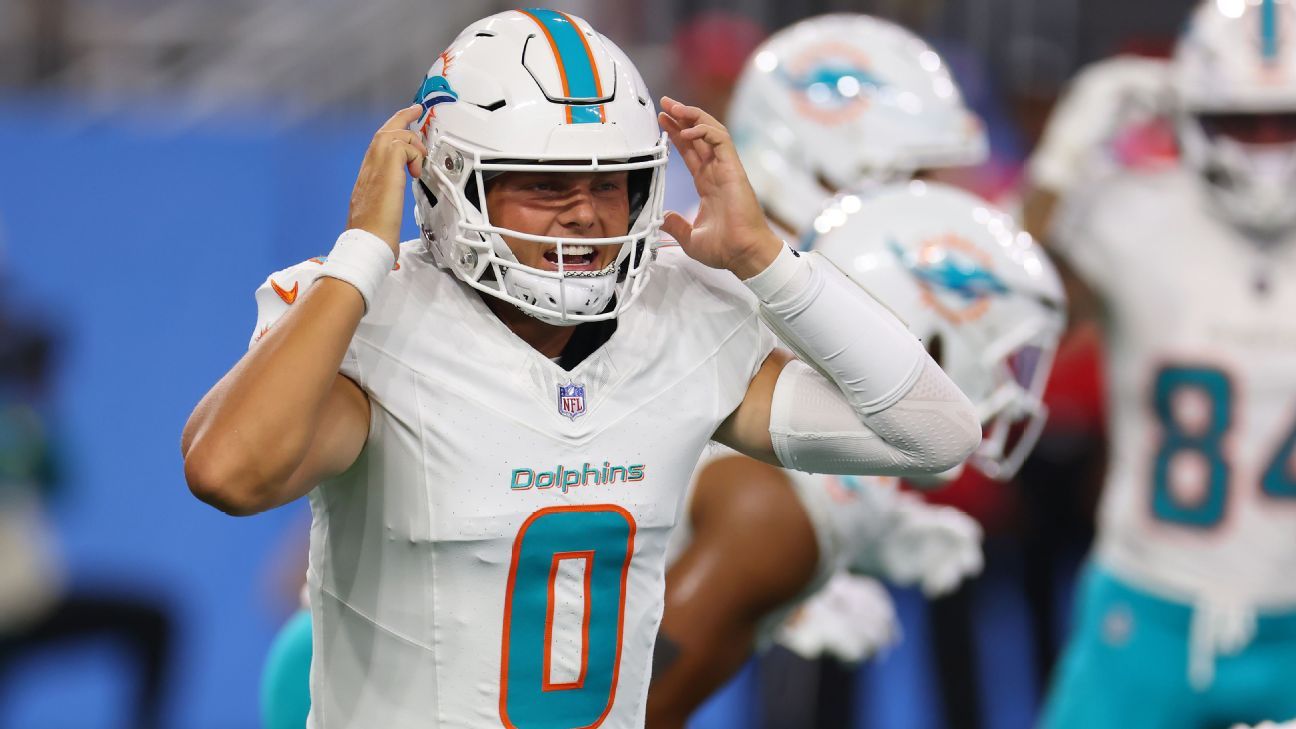
When the Miami Dolphins' quarterback situation becomes a flashpoint, it's not just about the immediate roster move—it's a ripple effect across the entire league. The Dolphins' decision to move on from their current QB has already set off a chain reaction, with teams scrambling to fill the void. This isn't a simple trade or free agency move; it's a strategic recalibration of the NFL's power structure.
The Dolphins' recent actions with their quarterbacks have been met with skepticism and curiosity. In a move that has stunned fans and analysts alike, the team has opted to shift focus to the future, rather than trying to stabilize their current roster. This approach has created a vacuum that teams like the New Orleans Saints are now stepping into, leveraging their own strategic moves to fill the gaps.
Why the Dolphins' QB Moves Matter Beyond the Franchise
The Dolphins' decision to part ways with their current quarterback has sent shockwaves through the league. It's more than just a personnel change—it's a reflection of the shifting dynamics in the NFL. The team's focus on long-term stability over short-term fixes has put them at the forefront of a broader trend that's reshaping how teams approach quarterback development and management.
One of the most significant impacts of this shift is the realignment of talent pools. Teams are now looking beyond traditional strongholds to find players who can adapt to new strategies. The Dolphins' move has exposed a critical gap in the league's understanding of how to balance immediate needs with long-term planning.
What's Next for Zach Wilson and the Saints?
The Saints' signing of Zach Wilson is a direct response to the Dolphins' actions. Wilson, a former Dolphins free agent, has become a key figure in this realignment process. His decision to move to New Orleans has set the stage for a new chapter in the NFL's quarterback landscape.
- Wilson's strategic alignment with the Saints reflects a broader trend of teams prioritizing adaptability and flexibility in their QB choices.
- The Dolphins' approach to quarterback management has created a vacuum that the Saints are now filling with players who can thrive in evolving systems.
- Wilson's experience with the Dolphins' decision-making process has made him a valuable asset for teams looking to avoid past mistakes.
This shift isn't just about individual players—it's about the larger implications for how teams approach quarterback development. The Dolphins' move has forced other teams to reconsider their own strategies, creating a new standard for how the league evolves.
As the NFL continues to evolve, the Dolphins' approach to quarterback management will serve as a case study for how teams can balance short-term needs with long-term growth. The ripple effects of this decision will be felt across the league, as teams adapt to a new reality where strategic planning is paramount.