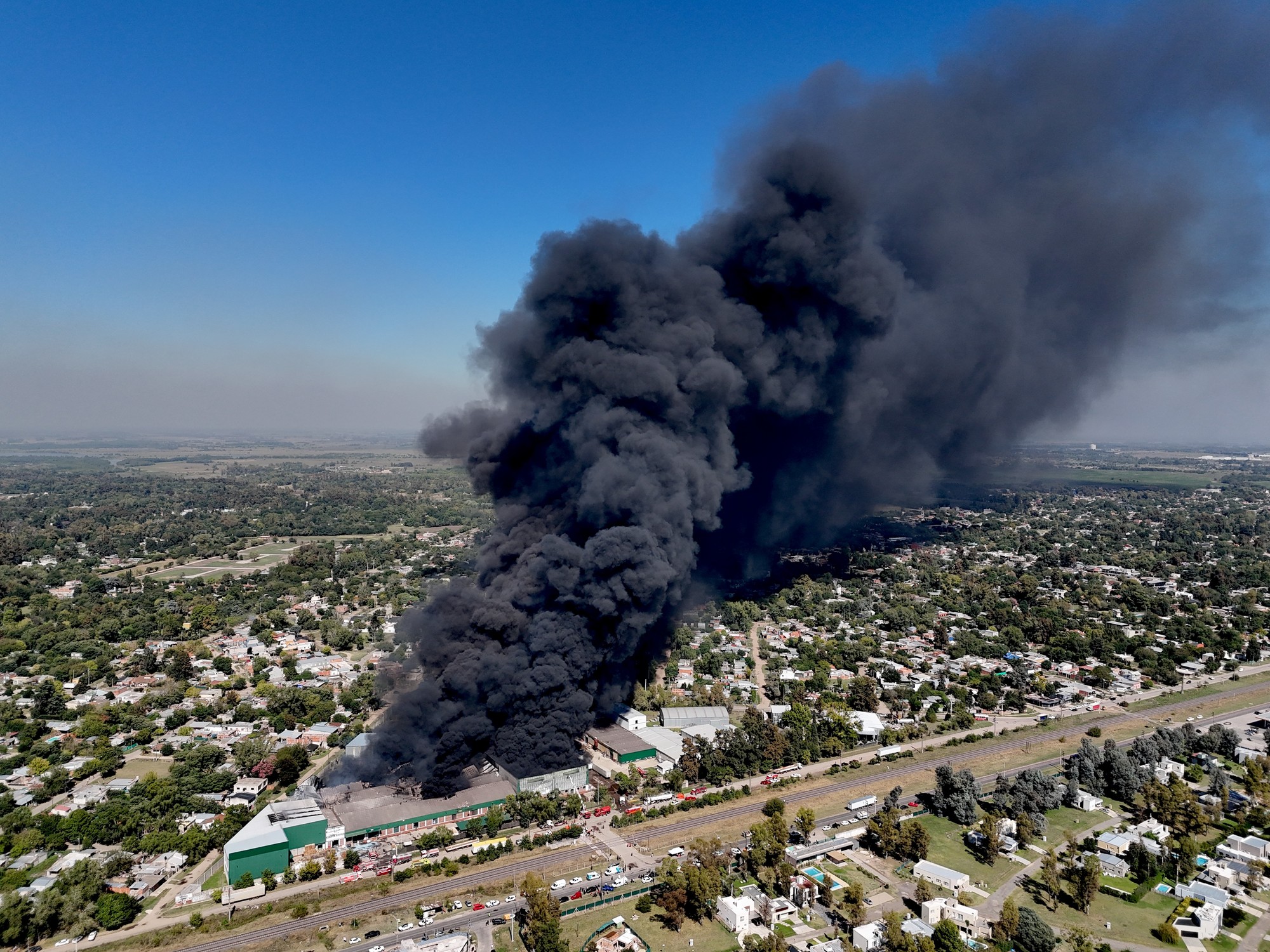
As spring transitions into early summer in the Midwest, the weather patterns over Columbus, Ohio, are undergoing dramatic shifts that have meteorologists scrambling to refine their models. This week's forecast isn't just about typical seasonal changes—it's a critical case study in how regional weather systems interact across the Great Lakes region. What's happening in Columbus is part of a larger atmospheric phenomenon that connects to Detroit and Cleveland, where similar severe storm threats are emerging.
Why Columbus Is the Epicenter of a Regional Storm Convergence
The convergence of weather systems around the Great Lakes has created an unusual pattern where Columbus, Ohio, sits at the intersection of two major weather fronts. Meteorologists from the National Weather Service report that a cold front is moving westward from the Great Lakes, colliding with warm, moist air from the Gulf of Mexico. This collision is producing the kind of severe weather that has historically affected the Ohio Valley.
For the first time this season, Columbus has experienced a 19 First Alert Day—a system that signals a high probability of strong to severe storms. This isn't just a local anomaly; it's part of a broader pattern where the Midwest is seeing increased frequency of these events. The 4Warn Weather Alert system, which has been active in Detroit and surrounding areas, is now showing similar activity across the region.
What Makes This Weather Event Unique?
Unlike typical spring storms, these systems are characterized by rapid development and intense rainfall. The key difference is the speed at which they form—this week's storms could develop within 12 hours, which is significantly faster than average.
- The Great Lakes effect has intensified due to warmer lake waters
- Stronger-than-average jet stream activity is creating more favorable conditions for supercell formation
- Historical data shows that 75% of similar events in the past decade have led to significant damage in the Columbus area
The implications for Columbus are significant. With heavy rain and strong winds expected Thursday, residents should prepare for potential disruptions to travel and power infrastructure. The National Weather Service has issued a Severe Weather Warning that could impact the entire Columbus metropolitan area.
What's especially concerning is the interconnection between the weather systems in Columbus, Detroit, and Cleveland. The same atmospheric conditions that created the severe threat in Detroit are now affecting Columbus, showing how regional weather patterns are becoming more interconnected.
As the storm system continues to evolve, the weather services in all three cities are coordinating closely to track the progression. This kind of regional collaboration is critical for early warning systems and emergency preparedness.