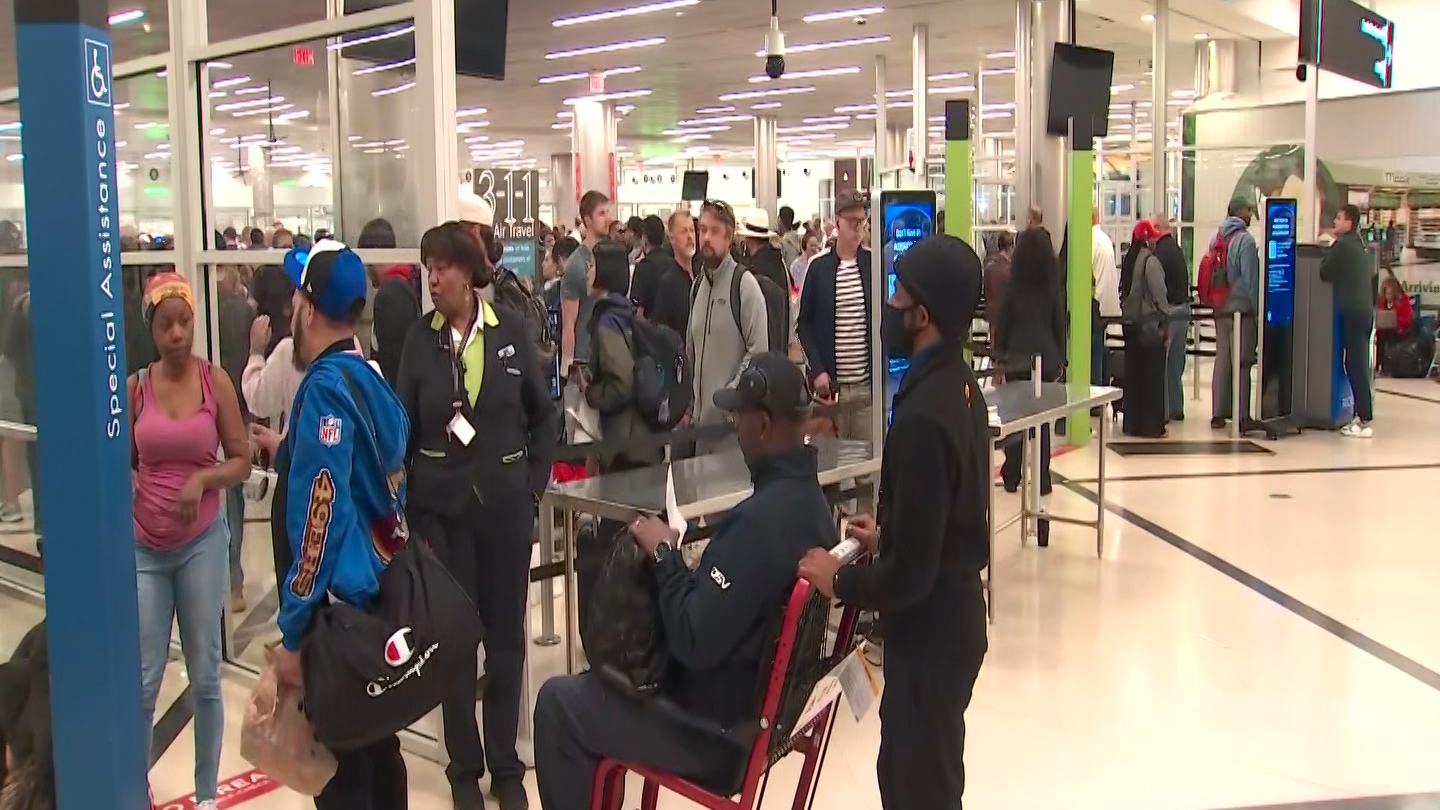
As the United States prepares for high-profile events like the World Cup and the increasing volume of international travel, the strain on TSA checkpoints has become a pressing concern. The Washington, D.C. airport (DCA) has recently been highlighted for its prolonged security screening processes, which have led to significant delays and frustration for travelers. This issue is not isolated—it reflects a broader pattern of challenges faced by U.S. airports nationwide, particularly those serving high-traffic hubs like Washington, D.C.
Why DCA’s TSA Wait Times Are a Symptom of Systemic Strain
Recent reports from the Department of Homeland Security (DHS) indicate that security checkpoints at DCA have experienced average wait times exceeding 45 minutes during peak travel periods, with some passengers facing delays of up to two hours. These figures are part of a larger trend where airports across the country, including Houston’s George Bush Intercontinental Airport, have reported similar issues. The problem isn’t just about infrastructure—it’s about a mismatch between the volume of travelers and the capacity of security systems.
According to a DHS official, the current system is operating at critical capacity, with security officers often overwhelmed by the sheer number of passengers. This strain is exacerbated by the recent decision by the Transportation Security Administration (TSA) to adjust its guidelines for arrival times, which has led to further confusion among travelers. Many passengers now report arriving at airports too late to complete their security process without encountering lengthy delays.
What’s Driving the TSA Chaos?
- Increased travel volume: The rise in international and domestic travel has strained existing systems, with airports in high-traffic zones like DCA, Atlanta, and Houston reporting significant spikes in passenger numbers.
- Resource limitations: Limited staffing and outdated equipment have left TSA checkpoints unable to handle the volume efficiently.
- Policy changes: Recent adjustments to TSA protocols, such as the shift from fixed arrival times to dynamic guidance, have created confusion among travelers.
The impact of these delays extends beyond individual inconvenience. Long wait times at DCA and other major airports have resulted in missed flights, financial losses for airlines, and a decline in passenger satisfaction. A recent survey by the Travelers’ Rights Coalition found that 78% of travelers reported negative experiences due to TSA delays, with many citing safety concerns as a secondary effect.
As the U.S. government continues to prioritize national security, the balance between security and efficiency remains a critical challenge. With the World Cup on the horizon and increased travel demand, the need for a coordinated response to TSA bottlenecks has never been more urgent. The solution requires not just temporary fixes but a fundamental rethinking of how security checkpoints operate at major hubs like DCA.