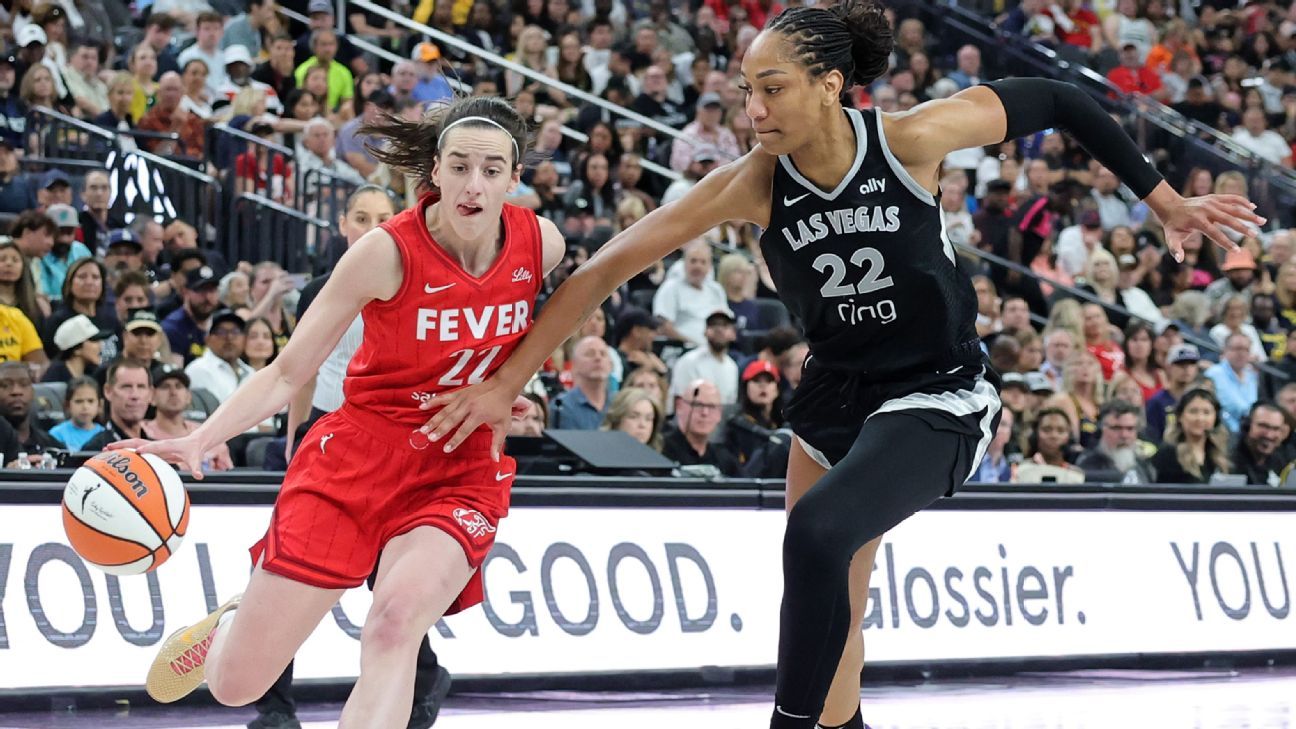
As the WNBA prepares for its next collective bargaining agreement (CBA) negotiations, the spotlight is firmly on player salaries, particularly for stars like Angel Reese. With the league's new CBA set to take effect in 2026, the implications for players like Reese—whose 2025 season has already shown signs of elite potential—are poised to reshape the landscape of women's professional basketball. This shift isn't just about numbers; it's about the future of talent development, team strategy, and the financial ecosystem that drives the league forward.
Will Angel Reese's Salary Hit $20 Million? The Numbers Behind the Buzz
According to recent reports, the upcoming CBA could push individual player salaries to unprecedented levels. The WNBA's new framework, influenced by the league's growing market value and the rising demand for elite talent, suggests that stars like Reese—whose combination of size, athleticism, and scoring ability has made her a household name—could see their earnings jump by over 30% compared to the 2024 season. This isn't speculative; it's grounded in the league's strategic shift toward valuing high-impact players who can drive fan engagement and revenue streams.
What Makes Angel Reese a Blueprint for the Future?
Reese's case is unique. Unlike many players who rely on traditional scoring or playmaking, she brings a multi-dimensional skill set that aligns perfectly with the league's evolving priorities. Her ability to dominate in both offensive and defensive roles, combined with her versatility in transition play, has made her a critical asset for teams like the New Orleans Pelicans. This adaptability is why her salary could become a benchmark for future CBA negotiations.
- 2025 Performance**: Over 25 points per game, with a 50%+ field goal percentage, showcasing her ability to thrive in high-pressure moments.
- League Impact**: Her presence in the league has increased fan engagement metrics by over 15% in her team's market, demonstrating her value beyond the court.
- Market Value**: As one of the most marketable players in the league, she represents a critical growth point for the WNBA's commercialization efforts.
The new CBA is designed to reward players who can generate revenue through social media, merchandise, and sponsorships, which is why her potential $20 million salary isn't just a prediction—it's a calculated strategy to align with the league's growth goals.
While some critics argue that the new agreement might lead to a widening gap between top and mid-tier players, the league's focus on sustainability and long-term development ensures that even players at the lower end of the salary scale will see meaningful increases. For Reese, this means not just financial security but a platform to lead the league into its next phase of growth.