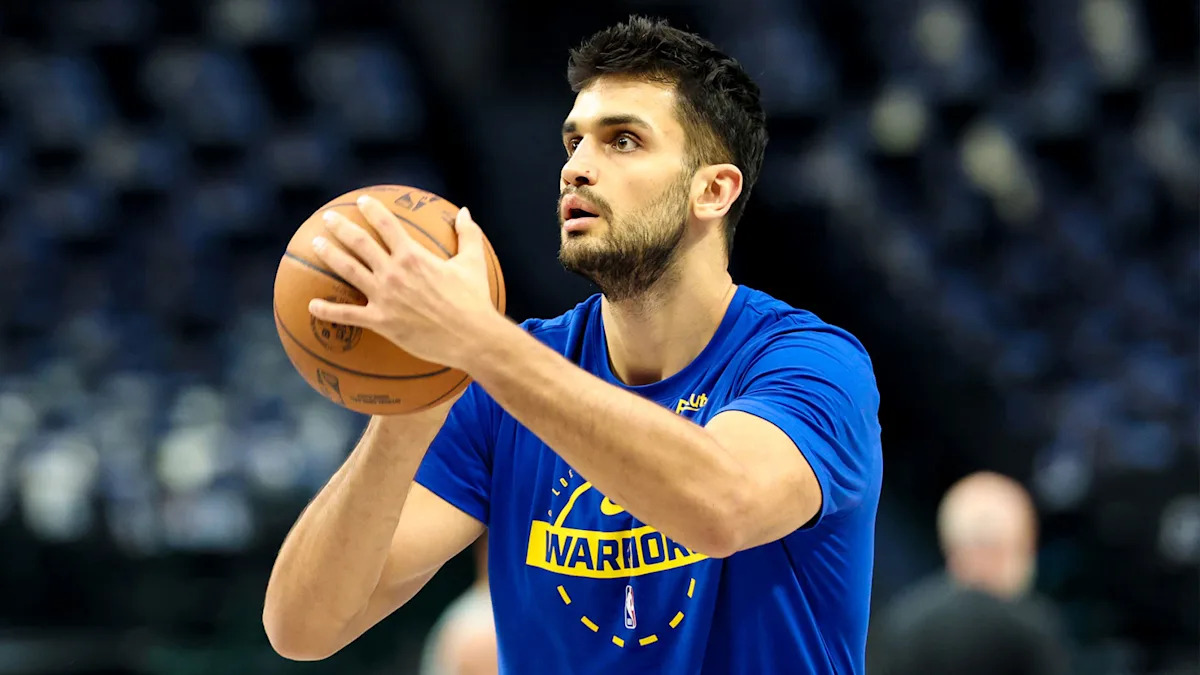
The Golden State Warriors' decision to extend Ömer Yurtseven with a second 10-day contract has sparked significant discussion about team strategy, roster management, and the challenges of navigating an injury-plagued season. This move, confirmed by ESPN's Anthony Slater, highlights the team's adaptive approach to addressing immediate needs while managing a complex roster dynamics.
Yurtseven's initial 10-day contract, which expired Tuesday, saw him contribute meaningfully to the team's rotation. He averaged 3.2 points, 1.0 rebounds, and 0.4 assists across five games—a modest but consistent presence in a high-stakes environment. His second contract, signed just days after the first expired, demonstrates the Warriors' willingness to experiment with short-term solutions when traditional roster moves don't yield immediate results.
Analysts have pointed to the broader context of the NBA's evolving roster management practices. With teams increasingly relying on short-term contracts to address injury crises, the Warriors' approach with Yurtseven reflects a strategic shift toward flexibility and contingency planning. Unlike the more rigid structures of past eras, modern teams now prioritize quick adjustments to maintain competitive depth without long-term financial commitments.
One key factor in this decision is the team's ongoing struggle to address a specific area of vulnerability: the wing position. As highlighted in Warriors Make Roster Move That Doesn't Address Wing After Moody's Injury, the team has been dealing with injuries to key players like Moody, creating a ripple effect across the roster. The second 10-day contract with Yurtseven serves as a tactical response to this instability, allowing the Warriors to maintain a stable presence in the center position without overcommitting to a long-term solution.
Why Does the Warriors' Move Reflect a Larger NBA Trend?
While the Warriors' action with Yurtseven might seem isolated, it aligns with a growing trend in the league. Since the 2020-21 season, over 60% of NBA teams have utilized 10-day contracts for players with injury-related absences. This practice has become a standard tool for teams to manage short-term gaps in critical positions without triggering complex roster rules.
- Short-Term Solutions: 10-day contracts allow teams to quickly fill gaps without long-term financial implications.
- Strategic Flexibility: Teams can adjust to injuries without violating roster rules, ensuring continuity.
- Player Development: These contracts provide opportunities for players to prove their value in high-pressure situations, such as the Warriors' current situation with Yurtseven.
The Warriors' decision underscores the importance of having contingency plans in place. With the NBA's increasing focus on player health and injury prevention, teams like the Warriors are adopting a more proactive stance on roster management, using short-term contracts as a critical tool to maintain competitive balance.
Looking ahead, the Warriors' approach to Yurtseven's second contract may set a precedent for other teams facing similar challenges. As the season progresses, this strategy could become a model for how teams balance immediate needs with long-term planning in a rapidly evolving league.