As the U.S. government grapples with ongoing disruptions, one of the most visible impacts has been the deployment of Immigration and Customs Enforcement (ICE) agents to major airports across the country. This move, initially framed as a security measure, has sparked widespread concern among travelers, particularly those heading to or from Philadelphia International Airport (PHL). The situation has created significant confusion and delays, with many passengers now experiencing extended wait times at TSA checkpoints.
Are ICE Agents Replacing TSA? What’s Really Happening?
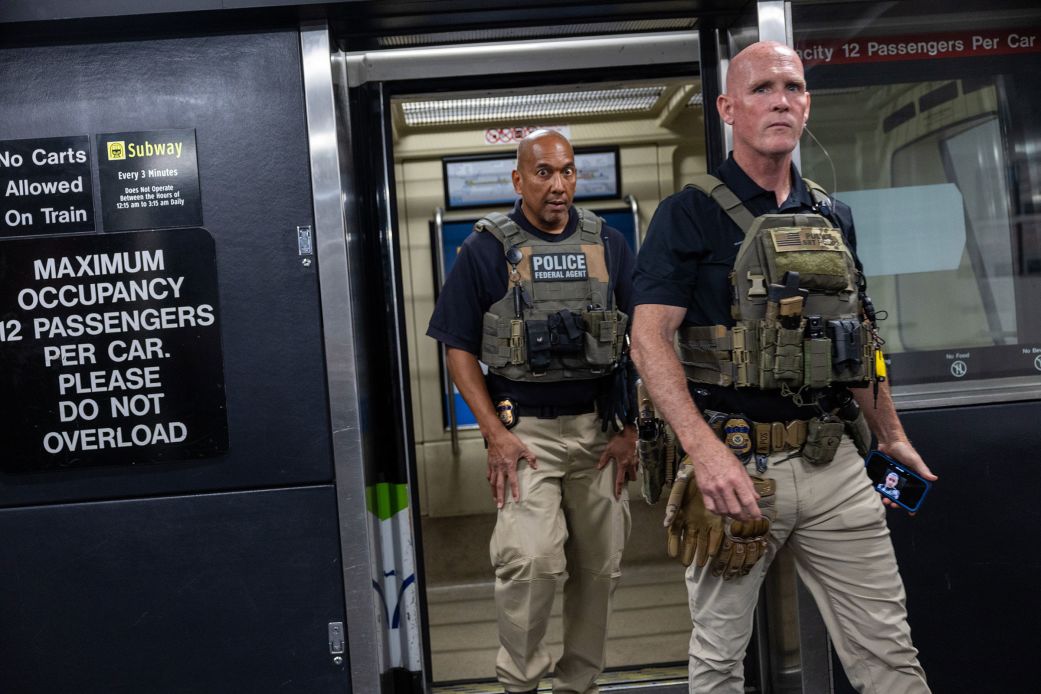
Recent reports indicate that ICE agents have been actively patrolling airports nationwide, including Philadelphia International Airport. This development is not new to the public, but its scale and implications are becoming increasingly clear. The deployment, part of a broader effort to address perceived security threats, has led to heightened scrutiny of airport procedures and, in some cases, prolonged security checks. Unlike the traditional TSA model, which focuses primarily on passenger screening, ICE's role involves cross-border enforcement, particularly targeting individuals with potential ties to foreign intelligence or criminal activity.
Travelers in the Philadelphia area are now experiencing noticeable disruptions. While the Transportation Security Administration (TSA) remains responsible for domestic security, the presence of ICE agents has introduced a new layer of complexity. This overlap has led to extended wait times at TSA checkpoints, with some passengers reporting waits exceeding 45 minutes—a significant increase from the typical 15–20 minutes.
What Do Philadelphia and Regional Travelers Need to Know?
- Extended wait times are now common at Philadelphia International Airport due to the integration of ICE agents into the security process.
- Local authorities like Philadelphia’s District Attorney, Larry Krasner, have publicly warned about the potential impact of this change on regional communities.
- Travelers should be prepared for potential delays, especially if they are flying to or from the Northeast, where ICE operations have been most concentrated.
Philadelphia’s response to this situation highlights the broader national implications of ICE’s role in airport security. The city’s District Attorney, Larry Krasner, has been vocal about the need for transparency and accountability, emphasizing that the presence of ICE agents should not compromise the safety and efficiency of airport operations.
The situation is part of a larger trend where federal agencies are stepping into local security frameworks, often without clear communication or coordination. This has led to frustration among travelers who rely on predictable security processes. While the TSA remains the primary agency for domestic security, the integration of ICE agents has created a new layer of complexity that impacts everyone who travels through major hubs.
As the government continues to address these issues, travelers should monitor updates from local authorities and be prepared for potential changes in security protocols. The key takeaway is that while the presence of ICE agents is intended to enhance security, it has inadvertently introduced delays that affect the daily travel experience of millions.