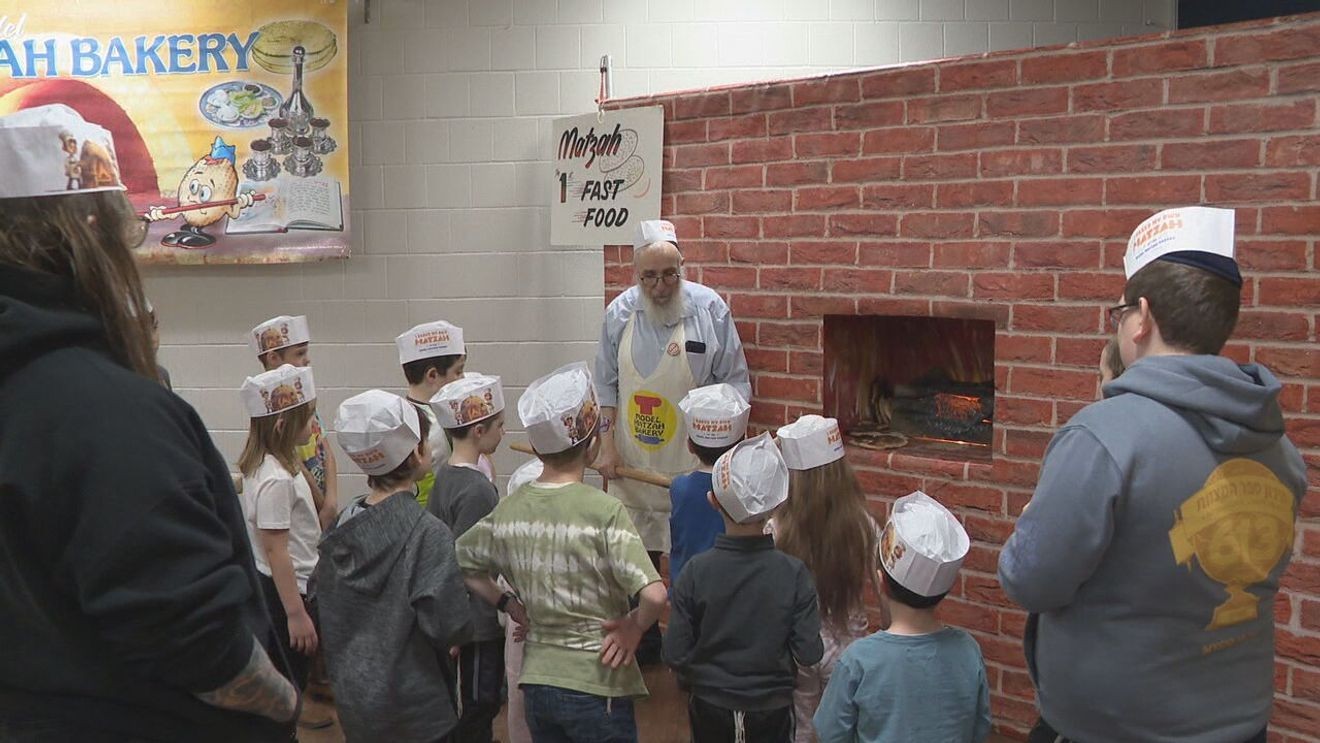
How Chabad Lubavitch is Revolutionizing Passover Traditions with Child-Centered Innovation

For generations, Passover has been a solemn observance marked by the seder ritual and the consumption of matzah. Yet, in recent years, Chabad Lubavitch has redefined the holiday with a bold commitment to making Jewish tradition accessible and engaging for children. This transformation isn’t merely about changing the format of the holiday—it’s a strategic shift toward empowering the next generation of Jewish identity through experiential learning.

Why Child-Centered Passover Matters More Than Ever

Traditional Passover practices often exclude young children, leading to a generational gap in understanding Jewish heritage. Chabad Lubavitch’s approach addresses this by embedding Jewish education directly into the joy of the holiday. At events like the Model Matzah Bakery in New York, children aren’t just spectators—they become active participants, crafting their own matzah and learning about the historical significance of the holiday through hands-on creation. This isn’t just a bake sale; it’s a deliberate effort to connect children with the essence of freedom and redemption through tangible, meaningful engagement.

Historically, the Passover narrative has been shaped by the story of the Exodus from Egypt, but Chabad Lubavitch’s innovation lies in translating ancient texts into modern, relatable experiences. By focusing on the child’s perspective, they’ve created a model that respects the evolving needs of contemporary Jewish families, especially those in urban centers like New York where Jewish populations are diverse and often disconnected from formal religious education.

How Innovation Meets Tradition

  • Interactive Storytelling: Events like the Chocolate Seder in Peekskill demonstrate how storytelling becomes a tool for memorization. Children engage with the seder ritual through playful activities, such as building their own seder platters and participating in role-playing scenarios that reenact the exodus from Egypt.
  • Partnerships for Scale: Collaborations with organizations like PJ Library and local businesses (e.g., Streit’s) ensure these initiatives reach beyond single communities. The PJ Library program, which provides educational materials to Jewish families, now integrates Passover activities directly into its framework, making tradition a part of everyday life.
  • Community Integration: By hosting events at community hubs like the First Hebrew Congregation, Chabad Lubavitch ensures that these activities are embedded within existing social structures, fostering organic connections between different generations.

The impact of this approach is clear. In Peekskill, for example, the Chocolate Seder has become a staple for families who might otherwise feel disconnected from the holiday. Parents report higher engagement from children, who now understand the significance of the seder not just as a ritual but as a narrative of hope and resilience.

Chabad Lubavitch’s strategy isn’t just about adding fun—it’s about creating a sustainable ecosystem where Jewish identity is nurtured through participation. As the holiday season approaches, this model offers a blueprint for how religious traditions can evolve without losing their core values.

Share Article