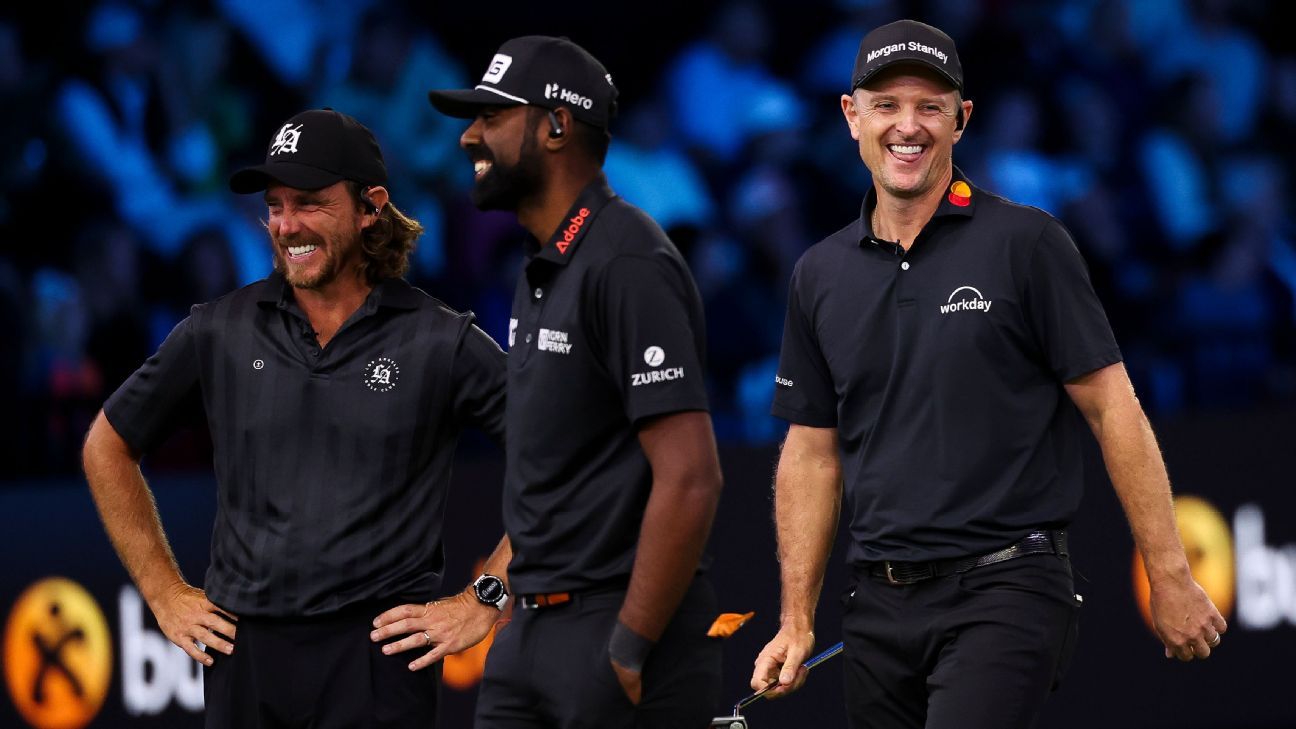
As the TGL (Tournament of Golf Legends) Finals approached its climactic stage, the golf world buzzed with anticipation, particularly around the historic return of Tiger Woods to the course. The 2026 TGL Finals, held at Jupiter Links, promised a spectacle unlike any other in the history of the tournament. With Tiger Woods stepping onto the leaderboard, the stage was set for a narrative that would blend legacy, strategy, and unexpected triumphs.
Did Tiger Woods' return truly change the game?
On March 24, 2026, Jupiter Links hosted a dramatic showdown between the TGL's top contenders. The venue itself, with its challenging layout and historical significance, became a backdrop for a story that would resonate beyond the sport. Tiger Woods, a legend in golf, was back on the course after a long hiatus, and his presence alone was enough to ignite conversations about the future of TGL.
But the story wasn't just about the champion's return. The tournament also highlighted the resilience of players like Fitzy, whose mastery of slow play tactics helped him overcome setbacks. His ability to adapt under pressure became a key factor in the championship's unfolding drama.
What makes this championship unique?
- Historic context: TGL has evolved from a regional tournament to a global phenomenon, with its finals now drawing attention from fans worldwide.
- Player dynamics: The inclusion of non-traditional players like Fitzy and others who thrived despite past challenges has reshaped the competitive landscape.
- Technical innovations: The use of advanced analytics and course management strategies in TGL finals has elevated the sport beyond basic skill.
The tournament also revealed how social dynamics, such as the influence of religious practices in the community, played a role in the players' performance. For instance, Cameron Young's participation in church services before the tournament was noted, highlighting the broader cultural context of the event.
One of the most significant moments came when the TGL Finals was disrupted by slow play. This issue, which has plagued many major tournaments, became a focal point for discussions about fairness and time management. The organizers' response to this challenge demonstrated the tournament's adaptability and commitment to maintaining a smooth competition.
As the final rounds unfolded, the impact of Tiger Woods' participation became clear. His presence not only elevated the stakes but also provided a benchmark for the next generation of golfers to aim for. The championship's outcome would serve as a testament to the evolving nature of the sport and the importance of strategic thinking in high-pressure situations.