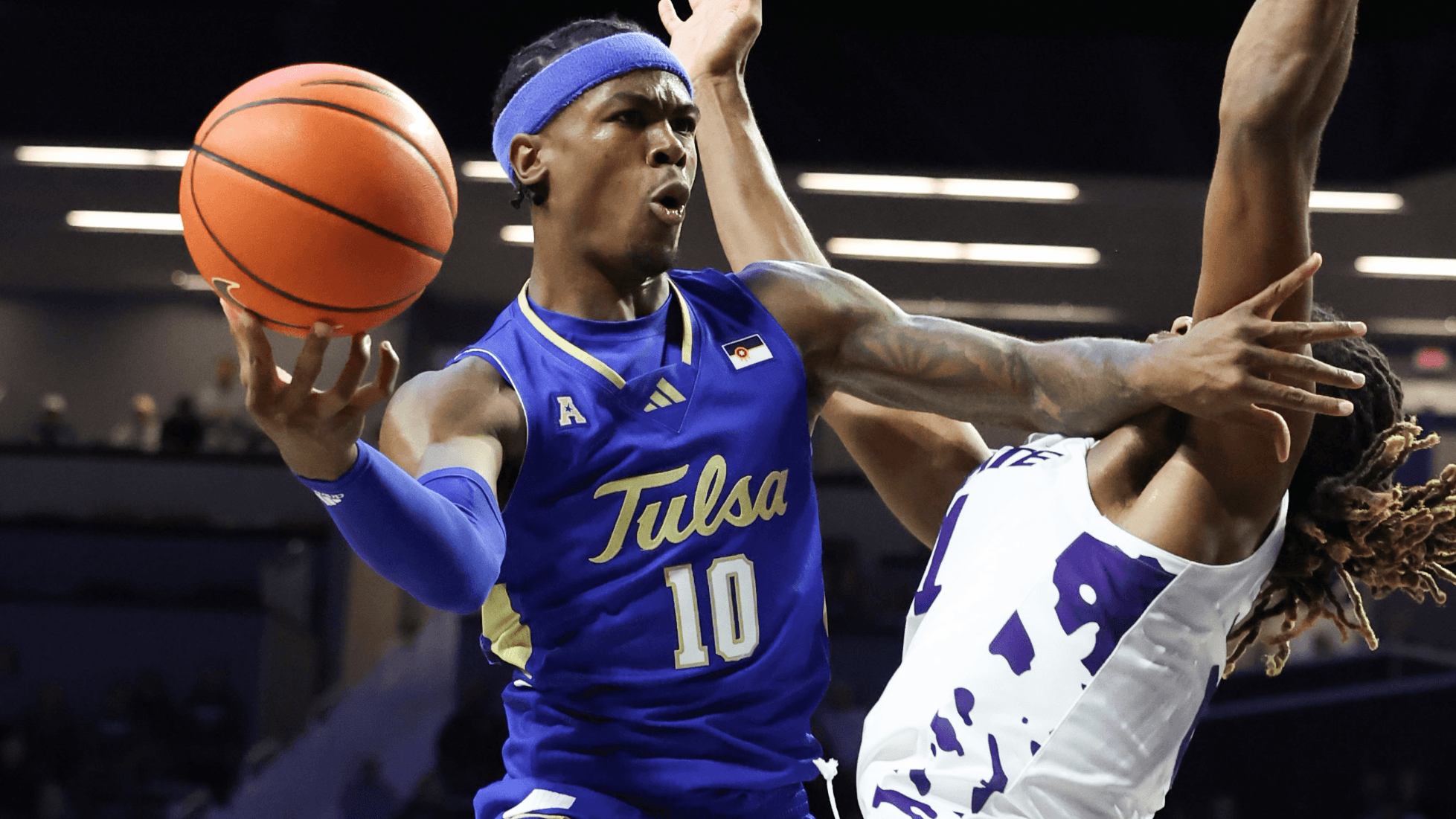
As the NIT quarterfinals approach, the stage is set for a historic clash between Wichita State and Tulsa, marking their fourth meeting in the 2024-25 season. This rivalry, rooted in a decade of competitive basketball, has evolved from regional matchups to a high-stakes conference showdown with implications for both programs' national trajectories. For the Shockers, a trip to Tulsa’s Reynolds Center presents a critical test of resilience and tactical adaptation.
Why Is This Match Significant for Both Programs?
The significance of this matchup extends far beyond a single game. Wichita State, under head coach Matt Riddle, has been strategically positioning itself to challenge for conference honors, while Tulsa, led by head coach David H. Jones, has emerged as a top-tier contender in the Summit League. The stakes are clear: a win here could propel either team into the NIT semifinals, with the winner securing a decisive edge in the national conversation.
Historically, the Shockers and Golden Hurricanes have shared a unique dynamic. Unlike most conference rivalries, this series has been defined by its unpredictability and rapid escalation. The first meeting saw Wichita State secure a narrow victory, while the second and third encounters were tight battles with both teams demonstrating tactical flexibility and defensive intensity.
What Makes This Rivalry Unique?
What sets this rivalry apart is its strategic evolution. The first two meetings were characterized by fast-paced offenses and high-scoring games, but the most recent encounters have shifted toward disciplined, team-oriented play. Wichita State has adapted by focusing on perimeter defense and transition offense, while Tulsa has responded with improved ball movement and timely three-point shooting.
- Wichita State’s tactical shift toward disciplined defense has forced Tulsa to adjust its offensive tempo
- Tulsa’s counter-strategy involves leveraging the Shockers’ defensive identity to exploit their slower transition
- Key players like Kenyon Giles (Wichita State) and the Tulsa frontcourt have become central to the narrative
The evolution of this rivalry reflects broader trends in modern college basketball. As teams prioritize adaptive strategies over traditional strengths, the Shockers and Golden Hurricanes have become a model for how conference rivalries can evolve into high-impact national conversations.
While the immediate focus is on tonight’s game, the long-term implications for both programs are significant. For Wichita State, a win here could solidify its position as a top contender for the NIT semifinals, while Tulsa’s ability to adjust to the Shockers’ defensive scheme will determine its path to the next round.
The upcoming game is more than just a single contest—it’s a test of how well each program can adapt to evolving basketball dynamics. As the NIT quarterfinals approach, this rivalry continues to shape the narrative of college basketball in the Midwest.