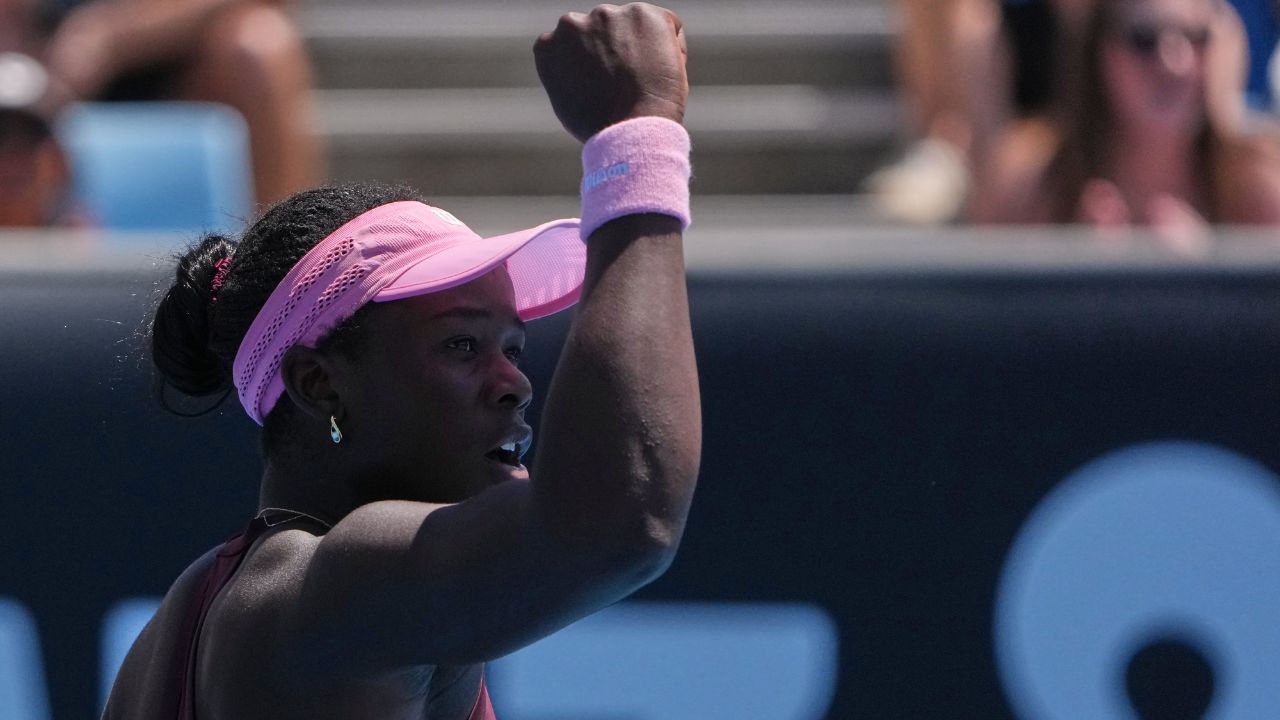
Victoria Mboko’s journey to the Miami Open quarter-finals isn’t just a story of individual talent—it’s a narrative of strategic evolution in women’s tennis. As the latest chapter in her rivalry with Mirra Andreeva unfolds, Mboko has cemented herself as a pivotal figure in a new era of competitive tennis. This rivalry, now entering its third chapter, reveals more than just match points—it’s a dynamic interplay of tactical intelligence, psychological resilience, and the evolving landscape of women’s sports.
Why This Rivalry Matters Beyond the Scoreboard
At first glance, Mboko and Andreeva’s rivalry appears to be a simple back-and-forth of matches, but closer examination reveals a deeper narrative. Their third consecutive meeting in the 2026 Miami Open demonstrates a pattern that transcends individual performance. This isn’t just about who wins the next match—it’s about how their approaches to the game are reshaping the sport itself. In an era where mental preparation and adaptability are as critical as physical skill, this rivalry offers a window into the future of tennis.
What Makes This Rivalry Unique?
Unlike many high-profile rivalries that are defined by past championships or historical dominance, Mboko and Andreeva’s connection is built on mutual respect and strategic depth. Their rivalry has evolved from a simple partnership in doubles to a competitive narrative that’s increasingly defined by tactical innovation. What’s fascinating is how this rivalry has become a model for how modern athletes prepare for high-stakes matches. Each match has revealed nuances in their game—such as Mboko’s ability to shift her playing style mid-match and Andreeva’s strategic use of aggressive baseline play.
- Strategic Flexibility: Mboko’s ability to adjust her game based on opponent tendencies has become a key differentiator in her rivalry with Andreeva.
- Psychological Resilience: Both players have demonstrated the ability to maintain composure under pressure, a critical skill in modern tennis.
- Global Representation: Their rivalry highlights the growing importance of international diversity in women’s tennis, especially as the sport becomes more globalized.
While the Miami Open result is significant, the real value of this rivalry lies in its implications for the future of the sport. As Mboko continues to build her reputation, her relationship with Andreeva offers a blueprint for how athletes can develop their skills in a competitive yet collaborative environment.
The Miami Open, as a premier tournament, has become a testing ground for these evolving dynamics. By consistently delivering high-level performances and adapting to new tactical frameworks, Mboko and Andreeva have created a narrative that’s not just about winning matches, but about how they’re redefining what it means to be a successful tennis player in the 21st century.