Growing Frustration With Chuck Schumer Spurs Talk of Replacing Him

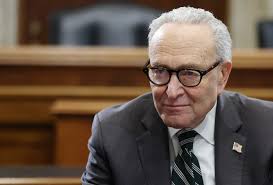
Democratic leadership dynamics are undergoing a significant shift as reports surface about potential replacements for Chuck Schumer, the Senate Majority Leader, amid growing internal dissent. Recent discussions within the Democratic Party have focused on reevaluating Schumer's effectiveness in navigating complex legislative challenges and evolving political landscapes. The Wall Street Journal has highlighted these conversations as critical developments in the party's strategic planning. As the 2026 midterm elections approach, many members of Congress and party officials are questioning whether Schumer's leadership style can adequately address emerging challenges.

Analysts suggest that the primary catalyst for these discussions is Schumer's handling of key legislative initiatives, particularly those related to economic policy and infrastructure development. Critics argue that his approach to prioritizing certain bills over others has created friction among party members who feel he is not adequately representing their concerns. This tension has been exacerbated by recent setbacks in passing critical legislation, which has led to increased scrutiny of his decision-making processes.

Another significant factor is the changing political environment, with the rise of new political dynamics and shifting voter priorities. Many Democrats are concerned that Schumer's traditional approach to governance may no longer align with the evolving needs of the electorate. This has sparked a broader conversation about whether the current leadership structure can effectively respond to the changing political climate and emerging challenges.

The potential replacement of Chuck Schumer as Minority Leader would require careful consideration of multiple factors, including his experience, ability to build consensus, and track record in addressing complex issues. While the Democratic Party has historically been strong on policy, this shift reflects a growing recognition that leadership needs to adapt to contemporary challenges and changing political realities. The decision would involve significant implications for the party's strategic direction and its ability to govern effectively in the coming years.

Political analysts emphasize that leadership transitions are not typically abrupt but rather occur through gradual shifts in party dynamics and changing circumstances. The current discussions about Schumer's leadership role highlight the importance of maintaining strong, effective governance while adapting to evolving political landscapes. This is particularly relevant in the context of upcoming elections and the need for a leadership style that can effectively navigate complex political challenges.

As the debate continues, it is crucial for the Democratic Party to address these concerns proactively rather than reactively. The outcome of these discussions could have significant implications for the party's future direction and its ability to govern effectively. The potential leadership change would need to balance the need for continuity with the necessity of innovation in a rapidly changing political environment.

Share Article