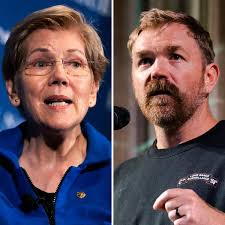
Elizabeth Warren Endorses Graham Platner in Maine Senate Race, Deepening Split with Senate Leader Schumer

As the 2026 U.S. Senate elections approach, Senator Elizabeth Warren has made a strategic move that has sent ripples through the Democratic Party. On March 19, 2026, Warren publicly endorsed Graham Platner, a candidate running in the Maine Senate primary, marking a significant shift in her political alignment. This decision has created a notable rift with Senate Majority Leader Chuck Schumer, who has been a key figure in shaping Democratic Party strategy for the upcoming elections.

Warren’s endorsement of Platner, a relatively unknown figure in national politics, underscores her focus on grassroots engagement and local issues. The move has been widely interpreted as an attempt to reconnect with voters in the Northeastern states, particularly those who have been critical of traditional party leadership. By prioritizing candidates who can address specific regional challenges, Warren aims to build a more resilient and responsive political machine that aligns with her platform of economic justice and community empowerment.

Chuck Schumer has reacted with concern, suggesting that Warren’s actions could undermine the party’s unified strategy for the Senate races. He has previously emphasized the importance of cohesive leadership in national elections, especially as the 2026 election cycle unfolds. This split highlights the growing tensions between progressive and centrist factions within the Democratic Party, with Warren positioning herself as a champion of local voices over national party machinery.

Warren’s decision to support Platner, who has been a vocal advocate for climate change and economic reform in Maine, reflects a broader strategy of targeting key swing states and regions that have historically been overlooked by national campaigns. This approach has been praised by some progressive groups but criticized by others as a tactical misstep that could alienate key voter blocs in more urbanized areas.

The endorsement has also been seen as a response to the evolving dynamics of the 2026 election cycle, where state-level races are becoming increasingly important. With the Senate races in states like Maine, Nevada, and New Hampshire now shaping the political landscape, Warren’s focus on these regions could have significant implications for the overall outcome of the national election.

Political analysts suggest that Warren’s actions could set a precedent for other senators to follow, particularly those who have been critical of the national party apparatus. By advocating for local candidates who can address specific regional needs, she is challenging the traditional model of national political campaigns, which often prioritize national issues over local concerns.

However, this move has also raised questions about the role of party leaders in shaping the direction of the election. While some see it as a necessary step to engage with grassroots movements, others argue that it could lead to fragmentation and a loss of cohesion in the party. The broader implications of this decision will likely be debated throughout the 2026 election cycle.

Share Article