Trump's Strategic Blind Spot: How Impulsive Decisions Threaten Global Stability

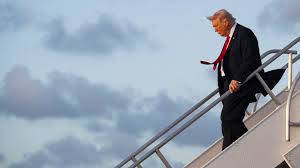
Donald Trump's approach to foreign policy has revealed a profound strategic deficit. Unlike seasoned leaders who weigh long-term consequences, Trump operates from immediate impulses, often without considering how his actions ripple across international relations. His tendency to pivot rapidly on shifting whims creates a dangerous pattern of decision-making that undermines diplomatic stability and fuels tensions with key allies.

Analysis of Trump's recent actions shows a clear disconnect between his stated goals and the actual outcomes. While he claims to seek 'winning' outcomes, his decisions frequently lack coherence, resulting in unintended consequences that destabilize critical alliances. For instance, his recent push to rally allies around a 'war' with Iran has drawn sharp criticism from allies who view this as reckless and counterproductive.

The Atlantic's recent analysis highlights a critical pattern: Trump does not think historically, geographically, or rationally. He fails to connect actions taken today with consequences unfolding weeks later. This impulsive style has led to a series of missteps that have strained relationships with both traditional allies and adversaries. The absence of strategic foresight has left his administration vulnerable to reactive crises.

Recent developments in the Strait of Hormuz have further exposed this disconnect. Allies are increasingly pressured to 'die for him' in the region, as Trump's political campaign leverages military threats to rally support. This approach, described by critics as 'insufferable bullying,' has created a dangerous precedent where diplomatic channels are strained and trust is eroded.

Experts warn that this pattern of impulsive decision-making could have severe repercussions. Without proper strategic planning, Trump's foreign policy could trigger unintended conflicts, particularly in volatile regions like the Middle East. The lack of historical perspective and geographical awareness in his approach risks long-term damage to U.S. global standing and alliance integrity.

As tensions rise in the region, the question remains: Can a leader who does not think strategically maintain effective global leadership? Without addressing this critical flaw, the trajectory of international relations under Trump's leadership could lead to a more fragmented and unstable global order.

Share Article