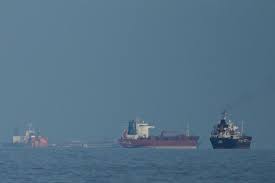
As geopolitical instability continues to threaten global energy supplies, the U.S. military has intensified operations in the strategic Strait of Hormuz. Recent intelligence reports indicate that the U.S. Marine Corps is actively deploying additional personnel to the region, with a focus on securing critical maritime routes. The Strait of Hormuz, a vital passage for approximately 20% of the world's oil production, has become a focal point for regional conflicts between Iran and its adversaries. This deployment underscores the U.S. commitment to maintaining regional stability and protecting vital economic infrastructure.
The deployment of the USS Tripoli, a guided missile frigate, to the area has drawn significant attention. According to military sources, the ship is carrying a contingent of approximately 300 Marines tasked with reinforcing naval assets and supporting emergency response capabilities. The move comes amid heightened tensions following recent Iranian missile strikes on U.S. military assets near the Strait of Hormuz. These actions are part of a broader strategy to ensure uninterrupted access to oil shipments and mitigate potential disruptions to global markets.
Analysts suggest that the deployment reflects a strategic shift in U.S. military engagement in the Middle East. With the Strait of Hormuz being one of the most critical chokepoints for global energy supply, any disruption could trigger severe economic consequences. The U.S. Department of Defense has emphasized that the deployment is not a response to a specific incident but a proactive measure to safeguard critical infrastructure and prevent potential conflicts from escalating.
Iranian authorities have remained silent on the matter, though regional analysts indicate that the Iranian government has been preparing for potential military confrontations. The U.S. military's increased presence is seen as a counterbalance to Iran's growing influence in the region, particularly its attempts to disrupt oil shipments through cyber attacks and sabotage. The deployment also aligns with U.S. efforts to strengthen partnerships with key allies in the Gulf, including Saudi Arabia and the United Arab Emirates, to ensure regional security.
Experts warn that the situation could escalate if diplomatic efforts fail to address the underlying tensions. The Strait of Hormuz has historically been a flashpoint for conflict, with past incidents causing significant economic disruptions. The U.S. military's presence is intended to deter aggressive actions while maintaining open channels for dialogue with regional stakeholders. This move highlights the interconnectedness of global energy security and military strategy in maintaining international stability.
The deployment of U.S. Marines to the Strait of Hormuz is a significant indicator of the U.S. government's prioritization of energy security in the face of growing regional instability. With oil prices already experiencing volatility due to recent disruptions, the deployment underscores the critical role of military intervention in safeguarding global energy supply chains. The U.S. military's proactive approach aims to prevent further escalation while working with international partners to ensure the continuity of essential energy flows.