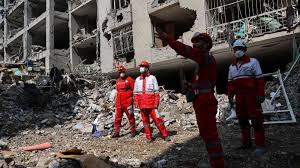
Recent developments in the Middle East have intensified the already volatile situation between Israel, Iran, and the United States, particularly concerning energy infrastructure and military actions. On March 20, 2026, Israeli forces conducted a targeted strike on an Iranian energy facility in the Strait of Hormuz, sparking immediate international reactions. Israeli Prime Minister Benjamin Netanyahu publicly stated that the operation was executed without coordination with U.S. authorities, emphasizing that Israel had 'acted alone' in the attack. This move has raised significant questions about the role of U.S. diplomacy in regional conflicts and the escalating tensions between Israel and Iran.
The incident occurred in the context of a broader strategic shift in U.S. foreign policy under President Donald Trump, who has increasingly criticized Israeli military actions. According to reports, Trump previously warned Israel to avoid repeating the attack, suggesting a potential shift in U.S. support for Israel’s unilateral operations. This statement aligns with Trump’s broader stance of reducing U.S. military involvement in Middle Eastern conflicts, which has been a recurring theme in his administration’s approach to regional security.
Analysts suggest that the attack on the Iranian energy facility was a preemptive measure against potential Iranian retaliation following the recent U.S. withdrawal from the Joint Comprehensive Plan of Action (JCPOA) and the ongoing dispute over nuclear agreements. The timing of the strike, which coincided with heightened tensions over energy prices and global oil markets, has led to significant fluctuations in the international energy sector. Energy prices have surged by over 10% in recent days, reflecting fears of potential disruptions to critical oil supplies.
Netanyahu’s assertion that Israel operated independently in the attack highlights the growing friction between Israeli military strategy and its international partners. The Israeli government has been under pressure to align its actions with U.S. diplomatic efforts, especially as the U.S. has been advocating for a more cooperative approach to regional security. This discrepancy has led to calls for greater transparency and coordination between Israeli and American military operations.
The incident also underscores the complex interplay between energy security and geopolitical strategy in the Middle East. The Strait of Hormuz, a critical choke point for global oil shipments, has become a focal point for tensions between major powers. The attack on the Iranian energy facility has raised concerns about the potential for further escalation, particularly given the strategic importance of oil and gas in global markets.
Experts warn that the situation could lead to a broader regional conflict, with implications for global energy markets and international relations. The U.S. has been working to mediate between Israel and Iran, but the lack of clear communication channels has left the two nations in a precarious position. The role of diplomatic channels, such as the U.S. diplomatic mission in Tel Aviv, remains crucial in preventing further escalation.
As the situation continues to evolve, the international community is watching closely to see how diplomatic efforts can mitigate the immediate risks posed by this incident. The outcome of this crisis could have far-reaching consequences for regional stability and global energy security.