Texas Faces Historic Heat Wave as Record-Breaking Temperatures Threaten Communities

Texas is currently experiencing a severe heat wave that has pushed temperatures across the state to unprecedented levels. The latest data from the National Weather Service indicates that multiple regions, particularly in the southern plains and central Texas, are setting new records for daily highs this weekend. These extreme temperatures are expected to continue throughout the week, with some areas reaching 97 degrees Fahrenheit or higher. The situation is particularly concerning given the state's recent infrastructure challenges and limited cooling resources.

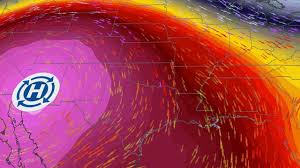
The meteorological phenomenon behind this heat wave is a high-pressure system known as a 'heat dome' that has been moving across the central United States. This system, which has already caused significant impacts in western states, is now moving toward the southern Plains and into Texas. According to the National Weather Service, this high-pressure system is blocking cooler air from moving in, creating a perfect environment for extreme heat to develop. The effects are already visible in regions like San Antonio, where temperatures have reached 102 degrees Fahrenheit in the last 24 hours.

Emergency services across Texas are preparing for the potential impact of this extreme heat. The Texas Department of Public Safety has issued heat advisories for several counties, urging residents to stay hydrated and avoid outdoor activities during peak heat hours. Hospitals in the Dallas-Fort Worth metroplex are reporting increased numbers of heat-related illnesses, particularly among vulnerable populations such as elderly individuals and those with pre-existing health conditions. The situation is exacerbated by the fact that many residents in these areas do not have access to air conditioning, especially in low-income neighborhoods.

Scientists at the University of Texas have been studying the impact of this extreme weather pattern on local ecosystems. Research indicates that the combination of prolonged high temperatures and drought conditions is causing significant stress to local water resources and agricultural systems. In the agricultural sector, this heat wave is expected to lead to reduced crop yields and increased costs for irrigation. The state's agricultural economy, which relies heavily on consistent rainfall patterns, is facing potential disruptions as a result of this unusual weather pattern.

Local government agencies are implementing emergency measures to address the immediate risks posed by this heat wave. The Texas Parks and Wildlife Department has activated its heat emergency protocol, which includes deploying mobile cooling units to high-risk communities. Additionally, the state has launched a public awareness campaign to educate residents about heat safety, particularly targeting communities that have historically been underserved in terms of climate resilience.

Long-term implications of this heat wave could be significant for Texas' infrastructure and economic stability. With temperatures expected to remain above 95 degrees for the next week, the state's power grid is under strain as demand for cooling increases. Utility companies are working to prevent outages, but the situation could worsen if the heat wave continues to intensify.

Share Article