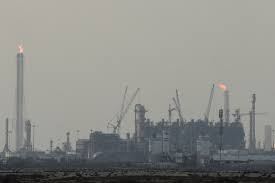
Global crude oil prices have reached unprecedented levels, with West Texas Intermediate (WTI) crude oil climbing above $110 per barrel as tensions escalate in the Middle East. This sharp increase follows a series of coordinated attacks on critical energy infrastructure in the Gulf region, disrupting vital supply routes and triggering widespread market panic. The situation has placed immense pressure on economies worldwide that rely heavily on oil imports.
The immediate trigger for the spike is a complex interplay between military actions in the Strait of Hormuz and the strategic importance of key Gulf energy hubs. Recent strikes on major oil facilities in Saudi Arabia and the United Arab Emirates have crippled production capacity, forcing global oil markets to react to potential supply shortages. Analysts note that the Strait of Hormuz, which accounts for approximately 20% of the world's oil trade, has seen significant disruption due to ongoing hostilities between regional powers.
These attacks have created a perfect storm for energy markets. With the U.S. government actively encouraging allies to assist in securing the Strait of Hormuz, the situation has become even more volatile. The disruption has led to immediate price spikes as traders anticipate further reductions in supply from the Gulf. The market has reacted to the potential impact on global oil flows, with Brent crude prices, which serve as a benchmark for international oil markets, showing similar upward movements.
Industry experts warn that the consequences of these disruptions could be far-reaching. The Gulf region produces over 40% of the world's oil, and any prolonged disruption could lead to significant increases in energy costs across multiple sectors. Energy companies are scrambling to adjust their operations as they face the challenge of maintaining supply chains amid the crisis.
Global oil markets are experiencing heightened volatility, with WTI prices reflecting the urgency of the situation. The spike has been particularly pronounced in the context of geopolitical tensions that have intensified since the recent escalation in the Middle East. The market's reaction demonstrates how interconnected the global energy system has become, with every disruption having cascading effects on international trade and economic stability.
Energy security has become a critical concern for many nations, especially those that depend on imported oil. The current crisis highlights the vulnerability of global oil supply chains, which are increasingly dependent on stable geopolitical conditions. With the Strait of Hormuz now under threat, the implications for global energy security are significant.
Financial institutions are closely monitoring the situation, with many predicting continued price volatility in the coming weeks. The situation remains fluid, with new developments expected as military and diplomatic efforts continue to unfold. As the world watches, the impact on global energy markets will likely continue to be a focal point in discussions about energy security and economic stability.