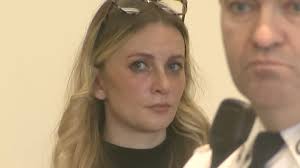
The courts in Lawrence, Massachusetts, have officially released a comprehensive list of potential witnesses for the pending trial of Kelsey Fitzsimmons, a former North Andover police officer accused of assaulting a fellow officer. This development comes as the legal process moves swiftly toward a bench trial, which will be decided by a judge rather than a jury. The documents, shared with NBC10 Boston on Wednesday, detail the critical roles various individuals will play in the case.
According to the court records, Fitzsimmons, 29, faces charges of misdemeanor assault after allegedly striking an officer during a routine interaction. The case has drawn significant attention due to its implications for law enforcement accountability and the justice system's handling of internal conflicts within police departments. Lawmakers and community advocates have closely monitored the proceedings, anticipating potential challenges in proving the allegations against a public figure with a background in law enforcement.
Fitzsimmons' defense team has indicated that the trial will be a 'clear-cut' process, with the judge determining guilt or innocence based on the evidence presented. The decision to waive her right to a jury trial underscores the severity of the case and the court’s focus on resolving the matter efficiently. This move also highlights the growing trend of individuals in law enforcement roles opting for bench trials to avoid delays and ensure a more controlled judicial process.
Legal analysts have noted that the inclusion of potential witnesses in this list is a critical step in the process. The witnesses, many of whom are former colleagues or individuals directly involved in the incident, will play a pivotal role in shaping the outcome of the trial. The court has emphasized that the documents released Wednesday will provide a clear roadmap for the proceedings, ensuring transparency and accountability.
The trial, set to begin next week, is expected to be relatively short, given the nature of the charges and the parties' willingness to proceed with a bench trial. This approach has been praised by some legal experts as a way to address the complexities of internal police conflicts without the need for prolonged deliberations.
Community stakeholders have expressed cautious optimism about the trial's trajectory, noting that the court's emphasis on transparency and procedural fairness could set a precedent for similar cases involving law enforcement personnel. However, critics argue that the bench trial format may not fully address the broader implications of the incident, particularly in a context where public trust in police is already under strain.
With the witness list now publicly available, the next phase of the case is poised to reveal more about the dynamics between the accused and those who could potentially corroborate or challenge the allegations. The outcome of this trial will not only impact Fitzsimmons' personal legal standing but also the broader narrative around accountability within law enforcement agencies.