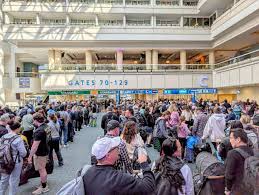
Orlando International Airport (MCO), the nation's busiest spring break destination, is experiencing unprecedented delays and cancellations as severe weather threatens to disrupt millions of travelers. With over 2.5 million passengers expected this spring, the airport has activated emergency protocols to manage the situation. Local authorities report multiple weather advisories across Marion, Eastern, Central, Western, Volusia, Coastal, and Inland Regions, signaling a critical threat to flight operations. These disruptions have already impacted thousands of travelers who plan to attend spring break in Florida's most popular vacation destination.
Spring break travel has historically been a major driver of MCO's traffic volume, with record-breaking numbers in recent years. The 2026 season has seen a 12% increase in anticipated passenger numbers compared to previous years, putting significant pressure on airport infrastructure. This year's weather patterns have exacerbated existing challenges, as the airport operates with fewer resources than typical periods. The combination of high volume and severe weather has created a perfect storm for operational difficulties.
According to the National Weather Service, the current weather system includes tornadoes, heavy rain, and flash flooding that could disrupt air traffic for multiple days. The airport has implemented a tiered response system to manage these conditions, with priority given to essential services and critical infrastructure. This includes temporary rerouting of flights to alternative airports and enhanced crew safety protocols for ground operations.
MCO's situation is part of a broader pattern of weather-related travel disruptions across the Southeast. Similar challenges were observed in Tampa Bay area airports during the 2026 spring break season, where over 200 flights were canceled due to heavy rainfall and wind conditions. These incidents have highlighted the vulnerability of regional airports to sudden weather events, particularly during peak travel periods.
Airport officials have confirmed that they are working with the Federal Aviation Administration to develop contingency plans that address these specific challenges. The response includes additional staffing, improved communication systems, and strategic adjustments to flight schedules to minimize the impact on travelers. However, with spring break travel peaking at MCO, every minute of delay can translate into significant financial and logistical consequences for passengers.
Travelers affected by these disruptions should monitor their flight status through the airport's official website and mobile app. The airport has also established a dedicated support team to assist with real-time updates and alternative arrangements for stranded passengers. This initiative aims to provide clear information while minimizing the impact of weather-related delays on the travel experience.
Experts warn that the current weather conditions could lead to extended disruptions, with some flights potentially being delayed for 24 hours or more. The situation highlights the critical need for airports to implement more robust contingency planning for extreme weather events. As spring break travel continues to grow, airports must balance the demands of high-volume travel with the realities of unpredictable weather patterns.