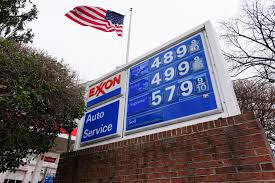
Middle East Conflict Drives U.S. Gasoline Prices to Record Highs

Motorists across the United States are experiencing unprecedented surges in gasoline prices as the Middle East conflict escalates. According to data from the American Automobile Association, the average national gas price has risen to $3.79 per gallon, up from $2.92 a month ago, marking a significant increase amid ongoing geopolitical tensions. This sharp rise has sparked widespread concern among consumers and industry analysts alike, highlighting the complex interplay between global supply chains and regional instability.

The conflict in the Middle East, particularly the recent escalation involving Iran, has disrupted critical oil transportation routes and strained global oil markets. With the U.S. being the world's largest crude oil producer, at approximately 13 million barrels per day as reported by the Energy Information Administration, the domestic supply chain has been affected by reduced exports and heightened demand for military-grade fuel. This dual challenge—increased demand for military operations and disrupted transportation networks—has created a ripple effect across the entire energy sector.

Analysts point to several key factors contributing to the current price spike. First, the Middle East conflict has forced major oil exporters to redirect their shipments, leading to bottlenecks in global supply. Second, the U.S. has been increasing its military spending in the region, which requires additional fuel for military operations. Third, the government's response to the crisis has included temporary restrictions on fuel exports, further tightening the market. These factors have combined to create a perfect storm for higher prices at the pump.

Consumer impact is significant. In many regions, regular gasoline is now priced at $5.29 per gallon, as reported by a Chevron station in a major U.S. city. This increase has led to a surge in the number of vehicle owners opting for alternative transportation methods, such as public transit and biking, to avoid the higher costs. Additionally, many households are reevaluating their fuel budgets and adjusting their travel habits to cope with the rising costs.

Industry experts caution that the situation is likely to worsen without immediate intervention. The U.S. energy sector, which has been relatively stable for years, is now facing unprecedented volatility. The National Association of Petroleum and Trade Representatives warns that prolonged instability could lead to a national energy crisis, with potential impacts on economic growth and household budgets.

Government agencies and energy companies are working to mitigate the effects of this crisis. The Department of Energy has launched emergency measures, including temporary price controls and incentives for alternative fuel sources, but these measures have yet to fully offset the price surge. Meanwhile, the Federal Reserve is monitoring the situation closely, as higher fuel costs can influence inflation rates and economic activity across the country.

The situation underscores the interconnected nature of global energy markets and geopolitical events. While the U.S. remains the world's largest oil producer, its position as a top exporter is being challenged by the Middle East conflict. This case illustrates how local and global events can have far-reaching implications for everyday consumers, emphasizing the need for robust contingency planning in the energy sector.

Share Article