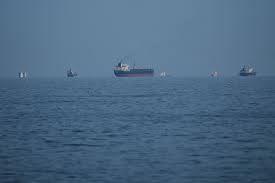
The Strait of Hormuz, a critical maritime chokepoint connecting the Persian Gulf to global shipping routes, has recently been the focus of heightened scrutiny due to geopolitical tensions between Iran and its neighbors. Recent data from international maritime tracking platforms indicates that despite initial concerns about disruptions, the volume of vessels transiting through this vital waterway has remained relatively stable. This development challenges previous assumptions that the region’s strategic importance would lead to a complete shutdown of maritime traffic in the wake of recent diplomatic and military developments.
Analysis of shipping data from the International Maritime Bureau reveals that over 11,000 vessels passed through the Strait of Hormuz in the first three weeks of March 2026, a figure that aligns with pre-2025 averages. This data contradicts earlier predictions that a potential naval blockade by Iran would completely halt the flow of oil tankers and other commercial traffic. The stability in traffic volume has been attributed to the implementation of new coordination protocols between the United States, Saudi Arabia, and the United Arab Emirates to ensure safe passage for commercial shipping through the region.
The resilience of maritime traffic through the Strait of Hormuz, despite growing regional instability, highlights the complex interplay between geopolitical strategies and practical logistics. Analysts suggest that the consistent flow of ships has been maintained through strategic adjustments in route planning, increased monitoring by international naval forces, and the adoption of digital tracking systems that allow for real-time adjustments to potential threats.
Iran’s decision to maintain a relatively open strait has also been linked to its broader economic strategy. By keeping the Strait of Hormuz operational, Iran can continue to supply its oil exports through this critical route, which accounts for approximately 20% of the world’s oil trade. This strategic balance has allowed Iran to avoid significant economic disruption while maintaining diplomatic engagement with key international partners.
However, the situation remains volatile, with the potential for sudden shifts in maritime traffic depending on political developments in the region. The recent data shows that while the overall volume of traffic has remained steady, there have been minor fluctuations in specific vessel types, such as an increase in the number of oil tankers from the Persian Gulf region. These adjustments reflect the adaptive nature of global shipping networks in response to shifting geopolitical dynamics.
The implications of this steady traffic flow extend beyond immediate economic concerns. The continued operation of the Strait of Hormuz has significant implications for global energy security, as it serves as a primary conduit for oil exports from the Middle East. The stability in traffic volume provides a critical buffer against potential disruptions, ensuring that the world’s energy markets remain relatively unaffected by short-term geopolitical tensions.
Looking ahead, maritime traffic through the Strait of Hormuz will likely continue to be a focal point of international monitoring and policy decisions. The ability of shipping networks to adapt to evolving geopolitical conditions underscores the importance of robust international cooperation and the resilience of global trade infrastructure in the face of complex regional challenges.