Stations as Art: How Transit Hubs Are Transforming into Cultural Landmarks

Editor 17 Mar, 2026 ... min lectura

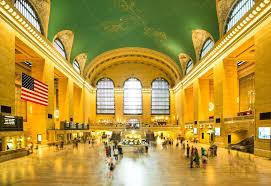
Stations are no longer just functional transportation hubs; they have evolved into vibrant cultural spaces that celebrate art, history, and community identity. From the iconic murals at Grand Central Terminal to the intricate installations at St. Pancras International, railway stations globally are becoming dynamic canvases for creative expression. This transformation reflects a broader shift in urban planning, where infrastructure and aesthetics are increasingly intertwined to create meaningful experiences for travelers and residents alike.

The concept of 'Art Stations' has gained traction worldwide, with projects like the Grand Central Terminal's murals and St. Pancras International's sculptural installations demonstrating how transit hubs can become immersive cultural destinations. These initiatives go beyond mere decoration, offering narratives that connect passengers with their local heritage and global narratives. For example, the St. Pancras International station in London features a series of light sculptures that respond to the movement of trains, creating a visual dialogue between the station and its users.

One notable example is the Grand Central Terminal in New York, where the 'Mural of the World' project has reimagined the station's historic architecture with contemporary art. Each mural tells a story of global connectivity, highlighting how travel between continents has shaped human history. This project, developed in collaboration with local artists, showcases how transit infrastructure can become a platform for storytelling and social commentary.

Similarly, in Italy, the Napoli-Afragola railway line has integrated art into its stations through a program that features site-specific installations reflecting the history and identity of the regions it serves. These stations are designed to engage travelers with the cultural narratives of the communities they pass through, turning routine commutes into moments of reflection and discovery.

The impact of these projects extends beyond aesthetics. By embedding art into transit infrastructure, cities are addressing the growing need for inclusive public spaces that foster community engagement and cultural appreciation. The 'Art Stations' initiative, supported by organizations like We Build Value, emphasizes how transit hubs can become catalysts for social cohesion and economic vitality.

Challenges remain, particularly in balancing artistic expression with the practical demands of high-traffic environments. Ensuring that art installations do not disrupt the flow of passengers or compromise safety is a critical consideration. Additionally, funding and maintenance of these projects can be complex, requiring collaboration between governments, artists, and transit authorities.

Looking ahead, the future of art in transit hubs is poised to become even more integrated. Emerging technologies, such as digital projections and interactive installations, are being piloted in several cities worldwide, promising to create ever more dynamic and personalized experiences. However, the core philosophy of these projects—tying art to the journey itself—remains central to their success.