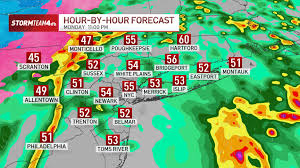
As the afternoon sun dipped toward the horizon on March 16, 2026, New York City and its surrounding regions braced for an impending weather event that promised significant impacts. Storm Team 4 reported that a powerful line of storms had already begun to take shape, pushing toward the Northeast with a cold front that would bring severe weather conditions. The potential for heavy rain and flooding was a primary concern, with some parts of NYC and the Hudson Valley forecasted to receive up to 2 inches of precipitation. This event represented one of the most severe weather threats in the region in months.
The initial impact of the storm system began to manifest as the evening approached, with reports of strong winds reaching up to 50-60 mph. These winds were not only disrupting daily commutes patterns but also posing immediate risks to infrastructure and safety. A wind advisory was issued at 2 p.m., quickly expanding to cover the entire tri-state area. Residents in areas near the coast and along the Hudson River experienced the first signs of the storm's intensity, with localized flooding already affecting low-lying areas and drainage systems.
Analysts noted that the storm system was part of a larger atmospheric pattern that had been developing over the past few days, with a significant temperature drop expected across central New York. This dramatic shift in temperature, combined with the moisture-laden air from the Atlantic, created the perfect conditions for heavy precipitation and potential flash flooding. The situation was further complicated by the presence of a cold front that was moving rapidly through the region, bringing with it the potential for tornadoes and additional severe weather.
City officials and emergency management teams are working closely with local authorities to monitor the situation and prepare for potential disruptions. The National Weather Service has issued a special weather advisory warning of possible flooding and dangerous winds. Residents in coastal areas and low-lying regions are advised to prepare for potential evacuations and to be prepared for significant disruptions to travel routes and transportation systems.
While the immediate threat is focused on New York City, the storm system's impact is expected to extend beyond the city limits, affecting central and western New York as well. This broader regional impact includes the potential for lake-effect snow in areas that experience the unique interaction between cold air and warmer lake waters.
Residents should monitor local news updates for real-time information and safety guidance. The National Weather Service has also advised that individuals living in areas prone to flooding should check their home's drainage systems and ensure that they are clear of debris.
As the storm system continues to evolve, the potential for significant damage to infrastructure and public safety concerns remain high. The combination of heavy rain, strong winds, and possible flooding creates a scenario that could lead to extensive road closures and disruptions to essential services. Local authorities are working to ensure that residents have access to critical information through multiple channels, including social media and emergency alerts.