Australia's central bank has made a significant monetary policy shift by raising its benchmark interest rate to a nearly one-year high, signaling heightened economic caution in the face of growing inflationary pressures. This decision, announced on March 17, 2026, follows a period of sustained inflation above the Reserve Bank of Australia's (RBA) target range and increasing geopolitical instability in the Middle East.
The move by the RBA marks the second consecutive rate hike in as many as 10 months, a notable step in the wake of the ongoing Iran conflict. According to the RBA's monetary policy board, the decision was made by a narrow majority, indicating a delicate balancing act between controlling inflation and managing potential economic disruptions from global conflicts.
The central bank's decision to lift rates to 4.75% comes amid a persistent inflation rate of 3.5% in the latest quarter, which is now above the RBA's upper tolerance limit of 3%. This elevated inflation figure has been linked to a combination of domestic factors such as increased energy costs and external factors including heightened global supply chain disruptions exacerbated by the Middle Eastern crisis.
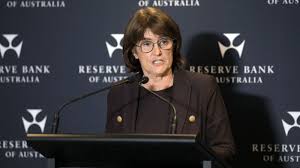
Reserve Bank Governor Michele Bullock, during a press conference in Sydney, emphasized the critical role of the Iran conflict in triggering these inflationary pressures. She noted that the Middle East conflict has led to significant spikes in global energy prices and supply chain disruptions, with direct implications for Australia's economy, particularly in sectors heavily reliant on imported goods and services.
The RBA's latest statement highlights the interconnectedness of global financial markets and regional economic stability. With the central bank's rate decision reflecting a cautious approach to inflation, the decision has raised questions about the timing of future policy adjustments and the broader implications for global economic stability, especially in the context of ongoing geopolitical tensions.
Financial analysts suggest that the central bank's decision may have been influenced by the expectation that the Middle East conflict could lead to further volatility in global commodity prices and supply chains. The RBA has also warned that continued high inflation could erode consumer purchasing power and lead to a slowdown in economic activity if not addressed promptly.
The decision by the RBA to raise rates to a near one-year high has been met with mixed reactions from the market. Some investors have seen it as a proactive move to combat inflation, while others have raised concerns about the potential impact on economic growth and employment in the short term.
Looking ahead, the RBA has signaled that further rate adjustments may be necessary if inflation continues to rise above the target range, though it has also emphasized the importance of maintaining price stability and supporting long-term economic growth.