Rooster Fighter Season 1 Premiere Captures Shū Sakuratani's Parodic Manga Spirit

Editor 16 Mar, 2026 ... min lectura

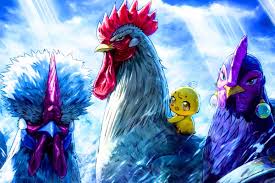
Rooster Fighter, the critically acclaimed manga series by Shū Sakuratani, has made its highly anticipated anime debut with a Season 1 premiere that perfectly channels the chaotic, satirical energy of its original work. The adaptation, now streaming on Disney+ and Hulu, and airing on Adult Swim, delivers a masterclass in parodying shōnen anime tropes while maintaining a distinct sense of humor and irreverence. This premiere episode, titled 'A Rooster Among C...', immediately establishes the series' signature tone with its rapid-fire commentary on overused genre conventions.

Shū Sakuratani's manga has long been celebrated for its fearless experimentation with shōnen manga formulas, turning clichéd elements like the 'chosen one' narrative and over-the-top battles into comedic gold. The Season 1 premiere takes this approach further by presenting a world where these tropes are not just mocked but reimagined as legitimate, if slightly absurd, storytelling devices. The opening sequence, featuring a rooster protagonist in a standard shōnen battle scene, immediately sets up the show's playful critique of genre expectations.

The adaptation's success lies in its ability to balance direct parody with creative reinterpretation. While the original manga used visual gags and meta-commentary to subvert expectations, the anime version enhances these elements with subtle animation choices and clever dialogue that highlight the absurdity of typical shōnen tropes. This approach has been praised for capturing the essence of Sakuratani's work while adding a layer of visual flair that resonates with contemporary anime audiences.

According to an exclusive interview with Shū Sakuratani published by Animation Scoop, the creator emphasized his intent to 'make the viewer question what they think they know about shōnen anime.' He explained that his series is designed to be a 'mirror' reflecting the often-unquestioned assumptions of the genre, using humor and intentional contradictions to challenge both fans and creators alike. This philosophy is clearly evident in the Season 1 premiere, which avoids simple imitation and instead crafts a unique narrative that feels both familiar and refreshingly original.

As the series expands to regions like India and Southeast Asia through Crunchyroll's March 15 launch, the global reception has already been positive. Fans across these regions have praised the show's ability to deliver a nuanced take on shōnen tropes that feels authentic yet playful. The premiere episode's success has also been highlighted by its seamless integration of parody elements without overwhelming the core story, a balance that many critics consider a benchmark for successful adaptation.

The production team has worked closely with Sakuratani to ensure the adaptation stays true to the manga's spirit while incorporating modern animation techniques. This collaboration has resulted in a series that maintains the original's sharp wit and deep understanding of its target audience. The Season 1 premiere has already garnered attention for its clever use of visual storytelling and its refusal to take itself too seriously, offering a refreshing alternative to the typical shōnen anime experience.