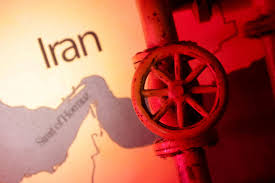
The U.S. Navy has informed the global shipping industry that it cannot provide escorts for oil tankers in the Strait of Hormuz at this time. According to a statement released by the Department of Defense, the Navy is currently prioritizing the neutralization of Iranian military threats over maritime security operations. This decision marks a significant shift in U.S. military strategy following recent escalations in the region.
Energy Secretary Chris Wright confirmed to CNBC that the U.S. military remains 'not ready' to begin escorting oil tankers through the Strait of Hormuz. Wright emphasized that all U.S. military assets in the region are currently focused on countering Iranian offensive capabilities, leaving shipping routes in the critical oil corridor vulnerable to potential disruptions. This announcement follows a series of high-level diplomatic negotiations between Washington and Tehran that have yet to yield concrete results.
The decision has raised concerns among shipping companies and financial analysts who rely on consistent maritime traffic through the Strait of Hormuz, which accounts for approximately 25% of global oil shipments. Industry experts estimate that a temporary reduction in escort services could lead to a 10-15% increase in shipping costs within the next quarter, given the heightened risk of potential attacks on tankers.
Analysts at the International Energy Agency note that the U.S. Navy's current focus on strategic military operations aligns with its broader objective of deterring Iranian military aggression. However, this prioritization has created a temporary gap in maritime security that could affect global oil markets. The Strait of Hormuz remains one of the world's most critical oil transit routes, with disruptions potentially triggering significant price volatility in crude oil markets.
Wright explained that the U.S. Navy is working on a phased approach to implementing escort services, with the first operational capability expected to be achieved by late 2026. The decision to delay escort operations reflects a balancing act between maintaining deterrence against Iranian military actions and ensuring the safety of vital global shipping lanes.
Shipping industry representatives have expressed concern about the potential impact on supply chains, particularly given the current geopolitical tensions. A recent incident involving Iranian drones near the Strait of Hormuz in early March 2026 has further complicated efforts to establish reliable escort services, highlighting the complexity of the situation.
Industry leaders are urging the U.S. government to provide clearer timelines for restoring escort services, as delays could lead to increased operational risks for shipping companies and potential supply chain disruptions. The situation underscores the interconnectedness of military, economic, and diplomatic decisions in managing critical global energy infrastructure.