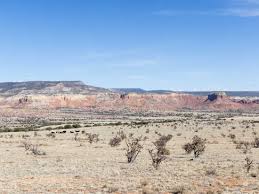
On a recent afternoon in northern New Mexico, fluffy clouds drift past the sun, casting light and shadow across distant cliffs layered in yellow, ochre, and sienna. This high desert landscape, where artist Georgia O'Keeffe lived and painted, now carries a new significance beyond her iconic abstract depictions of flowers and bones. The area, once known as O'Keeffe County, has become a focal point for efforts to preserve the land that inspired her legacy.
Georgia O'Keeffe's connection to this region is profound. She spent decades at Ghost Ranch near Abiquiu, creating works that celebrated the stark beauty of the New Mexican landscape. Her paintings, characterized by bold, color-drenched abstract forms, transformed the desert into a canvas of intimate, organic shapes. This land, now protected through initiatives like the O'Keeffe Legacy Land Protection Program, is a testament to her enduring influence on modern art and environmental conservation.
The O'Keeffe Legacy Land Protection Program, launched in 2023, aims to safeguard over 25,000 acres of land in the region. The program addresses the challenges of land degradation and ecological disruption that have threatened the very landscapes O'Keeffe immortalized. By focusing on sustainable land management practices, it ensures that the natural environment remains intact for future generations to study and appreciate.
One key aspect of the program is the integration of indigenous knowledge with modern conservation techniques. Local communities, including Navajo and Pueblo tribes, have been involved in the planning and implementation of the program. Their deep understanding of the land's ecology has been crucial in developing strategies that balance ecological preservation with cultural heritage.
Another critical element is the economic impact of the program. The protected areas have become a major draw for eco-tourism, supporting local economies and creating jobs in conservation and education. This economic benefit is essential for the long-term sustainability of the program and the communities that depend on it.
The program also addresses the broader implications of climate change on the region. As temperatures rise and precipitation patterns shift, the desert landscape faces increasing pressure. The program's adaptive management strategies, including water conservation and habitat restoration, are vital for maintaining the ecological integrity of the area.
However, the program faces challenges. Balancing conservation with development, ensuring adequate funding, and maintaining the authenticity of the land's cultural significance are ongoing concerns. Critics argue that the program may inadvertently prioritize economic benefits over ecological health, but supporters emphasize the program's success in fostering community engagement and environmental awareness.
Looking ahead, the program's future will depend on continued collaboration between government agencies, local communities, and international conservation organizations. The success of this initiative will set a precedent for how cultural heritage and environmental protection can coexist in regions with deep historical significance.