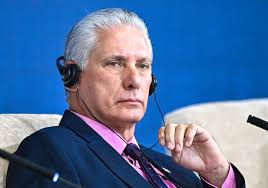
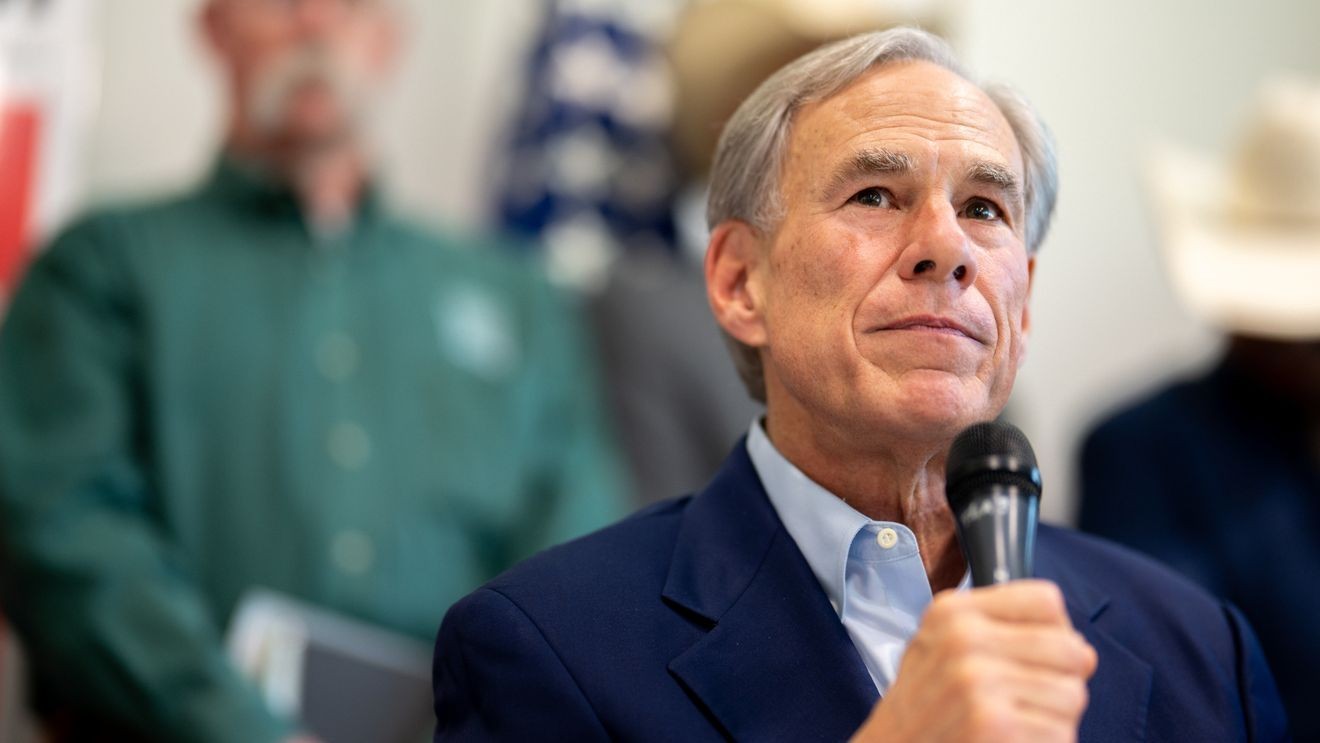
Cuba has officially confirmed the initiation of formal diplomatic and economic negotiations with the United States, signaling a potential shift in the longstanding bilateral relationship. President Miguel Diaz-Canel’s government has indicated that these discussions aim to address critical economic challenges exacerbated by years of sanctions and the complex geopolitical landscape. The announcement comes as the U.S. government under President Donald Trump has intensified efforts to address Cuba’s economic crisis, which has led to severe shortages of basic goods and a decline in the country’s ability to sustain its current economic model.
Official statements from Cuban authorities reveal that the talks were facilitated through high-level channels, including representatives from the Cuban Ministry of Foreign Affairs and the U.S. Department of State. The focus of these discussions centers on key issues such as trade liberalization, energy security, and the easing of restrictions on medical and educational exchanges. Cuban officials have emphasized that the primary objective is to establish a framework for mutual economic cooperation while maintaining the principles of national sovereignty and self-sufficiency.
The U.S. perspective, as reflected in recent communications from the Trump administration, highlights the urgency of resolving the Cuban economic crisis through targeted economic incentives and infrastructure development. American officials have been exploring mechanisms to facilitate the importation of essential goods, including energy resources, which have been severely impacted by the ongoing sanctions regime. This initiative aligns with broader U.S. strategic goals in the Western Hemisphere, particularly in addressing regional instability and fostering economic growth in Latin America.
Analysts suggest that the talks represent a significant departure from previous approaches, which were often characterized by sporadic engagement and a lack of concrete outcomes. The inclusion of specific topics like energy security and trade liberalization indicates a more structured and ambitious negotiation process. The success of these discussions will be critical in determining the trajectory of bilateral relations and the potential for long-term economic stability in the Caribbean.
While the Cuban government has maintained a cautious stance on the timing and depth of these negotiations, the announcement has been met with cautious optimism from both Cuban and international observers. Experts predict that the outcome of these talks could lead to a more stable economic environment for Cuba, addressing critical shortages in key sectors such as healthcare, education, and food security.
It is important to note that the Cuban government has consistently emphasized the need for a phased approach to negotiations, ensuring that any agreements do not compromise Cuba’s sovereignty or the principles of self-determination. The country’s leadership has also stressed the importance of addressing the economic challenges stemming from the U.S. sanctions regime, which have had a profound impact on the daily lives of Cuban citizens.
As the talks progress, the international community will be watching closely to see how the two nations navigate the complexities of their relationship. The potential for meaningful progress in addressing the economic crisis and fostering mutual economic cooperation remains a key factor in determining the future of U.S.-Cuban relations.