Northern Minnesota Winter Storm Triggers School Closures and Delays Across Multiple Districts

Editor 13 Mar, 2026 ... min lectura

As the latest winter storm system sweeps through Northern Minnesota, school districts across the region are implementing emergency closures and delays to ensure student safety. The impact of this significant weather event has prompted multiple school systems to alter their schedules, highlighting the challenges faced by educational institutions in managing severe winter conditions.

According to the Minnesota Public Radio news report, a widespread winter storm has led to school closures and delays in several districts. The storm, which is expected to bring heavy snowfall and strong winds, has forced schools in northern Minnesota to close for the day. Districts in the region are prioritizing student safety by postponing classes and canceling school activities as the snow accumulates rapidly.

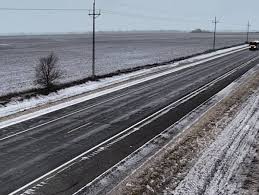
The East Grand Forks School District has announced that it will start classes two hours later than usual on Friday, March 13, due to blizzard conditions. This decision, made in consultation with local weather authorities, reflects the severity of the upcoming conditions. The delay is intended to allow staff and students to travel safely to school, reducing the risk of accidents during the commute. The district has also activated emergency protocols to monitor the situation closely and provide updates as needed.

While the East Grand Forks district is experiencing disruptions, the Grand Forks School District has not been affected by the storm, indicating the varying impact of weather events across different regions. This disparity underscores the localized nature of weather-related school closures and the importance of real-time monitoring by school systems.

Education officials have emphasized that these closures and delays are part of a broader pattern of school closures due to winter weather. In recent years, school districts have increasingly relied on advanced weather monitoring systems to make informed decisions about school operations. However, with the unpredictability of winter storms, the challenge of balancing student safety with academic progress remains significant.

For parents and students, these closures can lead to logistical challenges, including the need for alternative transportation and adjustments to home schedules. The Minnesota Department of Education has recommended that families prepare contingency plans for potential disruptions, such as having backup transportation options and staying informed about school updates through official channels.

Experts in the field of educational administration note that the increasing frequency and intensity of winter weather events are putting additional pressure on school systems. Climate change may contribute to more extreme weather patterns, requiring schools to adapt their emergency protocols and communication strategies. Schools are now incorporating real-time weather data into their decision-making processes to minimize disruptions.

As the storm continues to impact the region, school districts are working closely with local emergency services to ensure that all students and staff can safely reach their destinations. The situation is expected to improve as the storm passes, but the impact on the school year is already being felt by many families and educators.