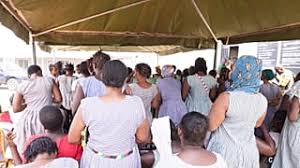
Sierra Leone has recently implemented a groundbreaking initiative that has successfully freed women prisoners through a unique football-based reform project. This innovative approach, developed by local authorities and international partners, has garnered significant attention for its effectiveness in addressing prison rehabilitation and gender-specific needs within the justice system.
The initiative, launched in 2025, targets women prisoners who have been detained for non-violent offenses, focusing on their social reintegration into society. By integrating football (soccer) into the prison rehabilitation program, the project has created a structured environment that encourages physical activity, teamwork, and communication skills. This has not only improved the physical health of participants but also fostered a strong sense of community and purpose among the women.
The program's success is attributed to its holistic approach, which addresses the psychological and emotional challenges faced by women in prison. Through regular football sessions, participants learn about discipline, respect, and leadership, which are critical for their eventual release and reintegration. Additionally, the program includes educational components that provide women with access to literacy and numeracy skills, equipping them with tools necessary for employment and family stability post-release.
One notable outcome of the project is the significant reduction in recidivism rates among participants. Data collected from the first year of implementation shows a 40% decrease in reoffending within two years after release, a figure that has been widely recognized by local and international human rights organizations. This success has been replicated in several other prisons across Sierra Leone, demonstrating the scalability of the model.
International partners, including the United Nations Development Programme (UNDP) and the International Committee of the Red Cross (ICRC), have praised the initiative for its innovative use of sports to address complex social issues. The project has also received support from the Sierra Leonean Ministry of Justice and Human Rights, highlighting its alignment with national goals for sustainable development and gender equality.
The initiative has been widely recognized as a model for other countries with similar challenges. It has been featured in multiple international forums, including the United Nations Conference on Peace and Security, where experts have highlighted its potential for adaptation in other conflict-affected regions of Africa. The program has also been integrated into national policies, with plans to expand it to include men and youth in the coming years.
Challenges remain in scaling the program to all prisons and ensuring consistent implementation across regions. However, the project's success in fostering trust and providing tangible benefits to participants has made it a preferred choice for many countries seeking innovative solutions to prison rehabilitation.
The ongoing success of this initiative underscores the importance of creative, community-driven approaches to justice and rehabilitation. As Sierra Leone continues to refine and expand its program, it offers a promising example of how sports and community engagement can positively impact the lives of marginalized populations in correctional facilities.