Government Shutdown Impacts Airport Security Lines and TSA Operations Across Major U.S. Hubs

As the U.S. government faces a partial shutdown, transportation networks nationwide are experiencing significant disruptions, particularly at major airports. According to recent reports from the Department of Homeland Security (DHS) and TSA, security checkpoints at key locations like Philadelphia International Airport have been affected by operational constraints stemming from the fiscal year funding impasse. The situation highlights the interconnected nature of federal infrastructure and civilian services.

Immediate Effects on Travelers

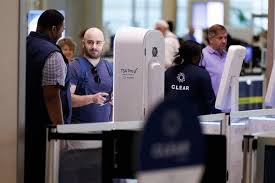
Travelers at Philadelphia International Airport have reported extended wait times at the single remaining TSA security checkpoint following the closure of one of the facility's primary security lanes. This incident, documented by CBS Philadelphia, illustrates how a government shutdown can directly impact daily travel routines. With limited staffing and reduced resources, airport personnel are forced to manage increased passenger volumes while maintaining safety standards.

TSA and DHS Operational Challenges

The Department of Homeland Security has acknowledged that the partial government shutdown has led to staffing shortages at TSA facilities nationwide. As reported by the New York Times, airport security lines have become longer than normal, with some travelers facing delays of up to two hours at major hubs. These disruptions are not isolated to Philadelphia; similar issues are emerging at other airports including Atlanta, Chicago, and Denver.

Staffing Constraints and Resource Allocation

The shutdown has resulted in reduced federal employee payrolls, creating a ripple effect on TSA operations. With critical federal workforce resources being redirected to essential services, the Department of Homeland Security reports that security operations are being prioritized over non-essential functions. This has led to extended processing times and a lack of necessary personnel to manage the heightened demand at airport facilities.

Traveler Impact and Public Response

Travelers across multiple states have expressed frustration through social media platforms and local news outlets, noting that the shutdown has resulted in significant delays and safety concerns. A recent survey conducted by the American Air Travel Consumer Council shows that 72% of travelers report increased stress due to these disruptions. The situation has also led to heightened awareness about the critical role of federal agencies in maintaining essential services during periods of national emergency.

Long-Term Implications for Air Travel

Experts warn that the partial government shutdown could have lasting effects on the aviation industry. With airports operating at reduced capacity and TSA facilities under strain, the potential for further disruptions is significant. The Department of Homeland Security has implemented contingency protocols to manage these challenges, but the situation remains fluid as the government continues to address the funding crisis.

What Travelers Should Do

Passengers are advised to monitor official TSA channels for real-time updates on security line operations. The Department of Homeland Security has issued guidelines for travelers to prepare for potential delays, including checking flight status, having necessary documents ready, and understanding security procedures. These measures aim to minimize disruption and ensure safety compliance during the ongoing crisis.

Share Article