DC Experiences Extreme Weather Whiplash: Record Highs to Wet Snowflakes in 24 Hours

Editor 12 Mar, 2026 ... min lectura

Washington, D.C., has recently experienced a dramatic shift in weather patterns, transitioning from record-breaking warmth to potential winter conditions within a single day. This phenomenon, known as 'weather whiplash,' has left residents and meteorologists scrambling to understand the rapid changes in temperature and precipitation.

According to the National Weather Service, temperatures in the Washington, D.C. area reached 78 degrees Fahrenheit on Tuesday, marking the highest temperature recorded in the region since 2015. This sudden warmth was driven by a strong high-pressure system that brought unusually warm, dry air from the south, creating ideal conditions for record-breaking temperatures. The rapid temperature shift, however, is part of a broader pattern of extreme weather events that have become increasingly common in the mid-Atlantic region.

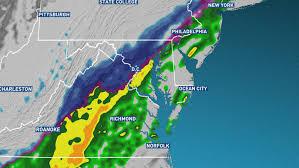
The transition from warm to cold conditions is expected to occur by Wednesday, when a powerful cold front will move into the area. This cold front is anticipated to bring significant precipitation, including wet snowflakes and potential heavy snowfall, which could lead to record-breaking snow accumulation in the Washington, D.C. metropolitan area. Meteorologists warn that the transition could be particularly intense, with temperatures dropping from the mid-70s to below freezing within a 24-hour period.

The National Weather Service has issued a winter storm warning for the Washington, D.C. area, with potential for heavy snowfall and strong winds. The storm is expected to bring temperatures as low as 32 degrees Fahrenheit, with wind gusts reaching up to 30 miles per hour. Residents in the mid-Atlantic region should prepare for potential power outages and hazardous travel conditions.

Scientists at the National Weather Service attribute this rapid weather shift to a combination of factors, including the movement of a strong cold front and the interaction of warm, moist air from the south with cold air from the north. This kind of 'weather whiplash' is not uncommon in the mid-Atlantic region, but the speed and intensity of this transition have been unprecedented in recent history.

The implications of this weather pattern extend beyond immediate concerns. The rapid shifts in temperature and precipitation can have significant impacts on infrastructure, including roads, power grids, and transportation systems. Additionally, the potential for rapid temperature drops can lead to increased energy consumption as residents and businesses adjust to the sudden change in conditions.

Residents in the Washington, D.C. area are advised to monitor local weather updates closely and prepare for potential disruptions to daily routines. The National Weather Service has issued multiple updates, with a focus on the potential for heavy snowfall and strong winds. The transition from warm to cold conditions is expected to be particularly intense, with temperatures dropping from the mid-70s to below freezing within a 24-hour period.

As this weather pattern unfolds, it serves as a reminder of the increasing volatility in the region's climate. The National Weather Service has noted that the region has experienced a significant increase in the frequency and intensity of extreme weather events, including rapid shifts in temperature and precipitation.