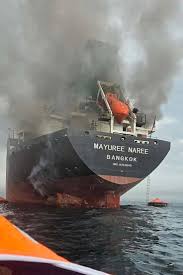
The International Energy Agency (IEA) has initiated a historic release of 400 million barrels of emergency oil reserves from its 32 member nations to counteract a sharp spike in global oil prices driven by escalating tensions in the Strait of Hormuz. This unprecedented move, coordinated by the G7 nations and the IEA, aims to stabilize markets amid fears of a potential supply disruption due to ongoing military engagements between Iran and its adversaries in the region.
Analysts highlight that the decision to release emergency reserves represents one of the largest coordinated actions in recent history, with the IEA’s emergency stockpile now exceeding 2.5 billion barrels. The release, which will begin immediately, is designed to prevent a cascading effect on global energy markets as prices have surged over 15% in the past week alone. With oil prices nearing $120 per barrel, this intervention reflects a critical response to fears that the conflict could trigger a severe supply shock.
Key participants in this effort include Japan, Germany, and other G7 members, which have committed to releasing their emergency reserves to mitigate price volatility. The strategy, which has been under discussion for months, is expected to inject significant liquidity into the market within the next 48 hours. This action comes as the Strait of Hormuz remains a focal point of regional instability, with multiple reports indicating that Iranian naval forces have recently increased patrols in the waterway.
While the release is intended to alleviate immediate market pressure, experts caution that the effectiveness of such measures is limited by the current state of global oil production. The IEA’s emergency reserves, which are typically used only in extreme scenarios, have been activated due to a sudden spike in demand for oil as a result of the conflict. This is the first time in over a decade that the IEA has mobilized such a large portion of its reserves.
The IEA’s response underscores the growing interdependence of global energy markets with geopolitical instability. With oil prices already at multi-decade highs, the potential for a prolonged crisis remains high. The move also highlights the challenges of maintaining stable energy supplies in an increasingly volatile geopolitical landscape, where traditional supply chains are being disrupted by conflict-driven disruptions.
As the conflict escalates, the IEA’s emergency release is a critical step in preventing a more significant market collapse. The release, however, is not a long-term solution to the underlying issues driving the crisis, such as the ongoing military engagements and the need for sustainable energy transition strategies. This action is a temporary measure to manage short-term spikes in oil prices and prevent a more severe market shock.