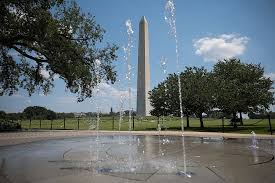
Washington, D.C., experienced unprecedented warmth on Tuesday, March 10, 2026, with temperatures soaring to 79 degrees Fahrenheit, shattering a decade-long record. This remarkable weather shift came after a morning of icy conditions that melted into rain, fog, and treacherous road conditions across the metropolitan area. The National Weather Service confirmed that this temperature spike marked the warmest day in the region since 2016, with significant implications for both local residents and regional climate patterns.
The unusual warmth emerged from a complex interaction of atmospheric systems. A strong high-pressure system over the Mid-Atlantic region pushed warm, moist air from the Gulf of Mexico into the capital region, creating ideal conditions for record-breaking temperatures. Meteorologists noted that this phenomenon was part of a broader pattern of extreme weather that has become increasingly common in the Washington area in recent years, with climate change contributing to more volatile and unpredictable weather patterns.
Local officials have issued travel advisories due to the sudden shift in conditions. The Department of Transportation warned that roadways across the region could become slick with rain and fog, particularly in areas with recent ice accumulation. Emergency services reported a surge in calls related to icy road accidents, with many residents advised to avoid non-essential travel during the early morning hours.
The weather pattern also highlights the growing impact of global climate shifts on local weather. Experts at the National Oceanic and Atmospheric Administration (NOAA) indicate that such extreme temperature fluctuations are becoming more frequent, with warmer springs and more intense seasonal transitions now common in the Mid-Atlantic region. This trend is expected to continue as the climate continues to shift, with significant implications for infrastructure, energy consumption, and public health.
Residents across the district reported feeling the effects of the warm temperatures immediately. Many described the contrast between Tuesday morning’s freezing conditions and the rapid warming that followed, with some noting that the temperature difference was so significant it felt like a complete weather reset. Social media platforms were flooded with posts from local residents sharing their experiences, with many emphasizing how unusual the conditions were for this time of year.
Weather forecasters predict a significant cold front to arrive Thursday, bringing temperatures back down to the mid-50s. This rapid shift is expected to result in a dramatic temperature drop of 20 to 30 degrees Fahrenheit, creating additional challenges for residents who have experienced the warm conditions. The National Weather Service has issued a special weather advisory for the coming days, urging people to stay updated with local forecasts.
Scientists at the University of Maryland’s Climate Research Center are studying this unusual weather pattern to better understand its connection to broader climate trends. Their analysis shows that such rapid shifts in temperature are becoming more common in the region, with implications for urban planning, infrastructure resilience, and public health.