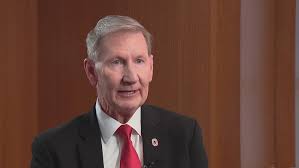
Ohio State University President Walter "Ted" Carter Jr. has announced his resignation following an investigation into an inappropriate relationship. The university confirmed the decision on Monday, stating that the Board of Trustees accepted his resignation after he formally disclosed the matter to them. Carter, who assumed the presidency in 2023, stepped down from his role as the university's chief executive. This decision marks a significant development in the leadership transition at one of America's largest public universities.
The university released a statement emphasizing the importance of maintaining ethical standards and integrity within its highest levels of administration. According to the announcement, Carter communicated the issue to the Board of Trustees before resigning, indicating a proactive approach to addressing the concerns. The resignation comes amid heightened scrutiny of leadership conduct within higher education institutions, particularly those with significant public funding and influence.
Ohio State University has been under increased attention for recent controversies involving its leadership. The university's financial and academic challenges have been highlighted in recent reports, with critics noting a growing gap between institutional resources and operational demands. Carter's resignation adds to a series of leadership changes that have occurred in the past two years, raising questions about the stability and effectiveness of university governance structures.
The university has not disclosed specific details about the nature of the relationship in question, but officials have acknowledged that the incident falls under the category of misconduct that violates institutional policies. This action follows a pattern of transparency in handling leadership issues, as the university has previously addressed similar concerns in the past year. The Board of Trustees has been working to ensure that all leadership changes are conducted in a manner that upholds the university's mission and values.
Ohio State's leadership has faced criticism in recent years for its handling of financial matters and academic policies. Critics argue that the university has not adequately addressed systemic issues within its operations, leading to a loss of confidence among stakeholders. Carter's resignation is seen as a step toward accountability, though the broader implications for the university's future remain uncertain.
University officials have indicated that the resignation process is part of a larger effort to strengthen the university's commitment to ethical leadership and institutional integrity. The university has also stated that it will conduct a thorough review of all past leadership decisions to ensure compliance with federal and state regulations. This move reflects the university's dedication to maintaining a transparent and accountable governance structure.
As the university moves forward with the search for a replacement, the focus will be on ensuring that the new leadership team is equipped to address the challenges facing the institution. The resignation of a high-profile figure like Carter underscores the importance of maintaining strong ethical standards in academic leadership.