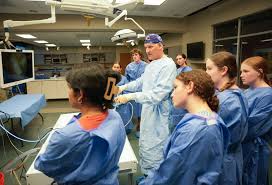
Furman University has made significant strides in both academic innovation and athletic competition, showcasing its commitment to well-rounded student development. The university's recent implementation of an engaged learning program has placed its undergraduate students at the forefront of hands-on medical training, providing them with practical skills that bridge classroom theory and real-world clinical environments. This initiative, spearheaded by the Innovation Lab, has been recognized by national educational platforms, including the University Journal of Best Practices (UJB), highlighting its unique approach to experiential education.
The program allows students to work alongside licensed medical professionals in simulated clinical settings, offering a comprehensive understanding of patient care and diagnostic procedures. By integrating these experiences into the curriculum, Furman has created a pathway for students to develop critical thinking and problem-solving skills essential for future healthcare professionals. The program's emphasis on collaboration between students and practitioners has been praised by industry experts, who note its potential to address the growing shortage of skilled medical personnel in underserved regions.
Complementing this academic advancement, Furman University's athletic programs have also demonstrated remarkable success, particularly in women's tennis. During a recent Saturday match against nationally ranked competitors, the Furman Paladin women's tennis team secured a decisive victory over the Belmont University squad at the Mickel Tennis Center in Greenville, South Carolina. This win underscored the university's capability to excel across multiple domains, from academic innovation to competitive sports, reinforcing its reputation as a well-rounded institution committed to student excellence.
The integration of medical training with athletic excellence at Furman reflects a broader educational philosophy that values practical application and holistic development. By fostering environments where students can engage in hands-on learning and competitive sports, the university ensures that graduates are prepared for diverse challenges in both academic and professional settings. This dual focus not only enhances student outcomes but also strengthens the university's position as a leader in experiential education and athletic achievement.
Experts in higher education and sports management have highlighted the importance of such integrated approaches, noting that institutions which successfully merge academic rigor with practical application often produce more adaptable and skilled graduates. Furman's model offers a blueprint for other universities looking to enhance student engagement through innovative programs and competitive athletics.