Second Largest Earthquake in Louisiana History Shakes North Louisiana, Rattles Infrastructure

Editor 08 Mar, 2026 ... min lectura

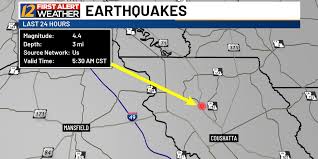
On March 5, 2026, a magnitude 4.9 earthquake struck northwestern Louisiana, marking the second largest seismic event in the state's history. The tremor, centered near Edgefield, struck at approximately 5:30 a.m. local time, causing widespread reports of shaking sensations across multiple communities. Residents from Shreveport to the northern outskirts of the state described their homes vibrating, with some noting that windows rattled and plumbing systems began to leak. This event, according to the United States Geological Survey (USGS), originated about three miles below the surface near the US-71 corridor.

The quake's impact was particularly notable in Shreveport and surrounding areas, where it triggered minor structural disturbances. Local news outlets reported that residents experienced furniture sliding across floors and water pipes shaking violently. A doorbell camera in Coushatta captured the shaking on video, providing a rare visual record of the event. While the earthquake did not cause significant damage, it highlighted the vulnerability of older infrastructure in the region, especially in areas with less frequent seismic activity.

Geologists from the USGS and local universities are analyzing the data to determine the broader implications of this event. The magnitude 4.9 reading, while not catastrophic, is significant given Louisiana's historical seismic patterns. The state has recorded only a few earthquakes above magnitude 4.0 in the past century, making this one of the more substantial events since the 1990s. The tremor's depth of approximately three miles suggests it was a relatively shallow event, which can lead to more localized damage.

Emergency response teams were activated in several parishes, with local authorities monitoring for potential secondary effects like landslides or liquefaction. However, there were no reports of major structural failures or injuries. The event has prompted calls for improved building codes and infrastructure resilience in regions prone to such events, as many structures in rural and suburban areas were not designed to withstand stronger seismic activity.

Residents across the region have expressed concern about the frequency of such events and the need for better preparedness. A local seismologist noted that while this earthquake was not unprecedented in terms of magnitude, the timing and location were unusual for the region, which has historically been stable. The event has also sparked discussions about the potential for more significant seismic activity in the future, given the complex tectonic interactions in the Mississippi Valley region.

As the state continues to monitor the aftermath, officials are reviewing the data to understand the long-term implications for seismic safety. The earthquake serves as a reminder that even moderate seismic events can have significant impacts on infrastructure and daily life. With the region's growing population and increasing development, the need for proactive measures to mitigate potential risks is becoming more urgent.