Regional tensions in the Middle East have reached a critical juncture as Iran and its allies prepare for significant developments in the leadership structure of the Islamic Republic. The latest developments indicate that Tehran is nearing a pivotal decision regarding the succession of Iran's supreme leader, a move that could reshape regional dynamics and have far-reaching implications for the ongoing conflict between Iran and Israel.
According to recent live updates from CNN, Iranian officials have confirmed that the country is in the final stages of selecting a new supreme leader following the anticipated transition in the Iranian political system. This decision, which has been delayed for months due to internal deliberations, is now expected to be finalized within the next few weeks. The choice of successor will have profound consequences for Iran's foreign policy, particularly its stance toward Israel and the broader Middle Eastern conflict.
Israeli military officials have stated that they are preparing to pursue every successor of Iran's current supreme leader, a statement that has raised concerns among regional actors. A recent post by the Israeli military on X in Farsi has confirmed that this action is part of a broader strategy to target potential future leaders within Iran's political structure. The move signals a shift in Israel's approach to addressing perceived threats from Iran, indicating a more proactive and aggressive stance in the region.
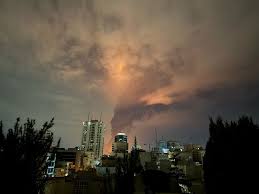
The situation is further complicated by the fact that the conflict between Israel and Iran has been intensifying, with recent strikes in the Gulf region causing significant damage. In particular, fire has engulfed the Kuwait City Tower, a symbolic and strategic location, as Iranian strikes hit multiple targets in the region. These incidents highlight the volatility and unpredictability of the current situation, which has led to widespread panic and uncertainty among local populations.
China has recently warned that the world cannot return to the 'law of the jungle' in the Middle East, emphasizing the need for diplomatic solutions and multilateral cooperation. This statement from the Chinese government underscores the global concern over the escalating tensions and the potential for further escalation if diplomatic channels are not effectively utilized to de-escalate the conflict.
The United States has been involved in efforts to mediate the conflict between Iran and Israel, though its position has been somewhat ambiguous. While Washington has expressed concern about the ongoing violence, it has not yet taken direct action to intervene in the conflict, which has led to questions about its commitment to regional stability.
The implications of this decision are vast and complex. The selection of Iran's next supreme leader will have significant implications for the country's foreign policy, particularly its relations with the United States, Israel, and other regional powers. Additionally, the continued military operations in the region could lead to further escalation, with potential consequences for the broader Middle Eastern security architecture.
Analysts suggest that the decision to pursue every successor of Iran's supreme leader may be a strategic move to ensure continuity in Iran's foreign policy, which has been characterized by a mix of assertiveness and caution. However, this action has also raised concerns about the potential for further escalation and the long-term impact on the region's stability.
As the situation continues to evolve, all parties involved must remain vigilant and committed to diplomatic solutions to prevent further escalation. The international community, including major powers like China, the United States, and the United Nations, must work together to address the underlying issues driving the conflict and promote peace and stability in the region.