Latin American Leaders Unite in Trump's Diplomatic Push: US-China Tensions and Regional Alliances

Editor 07 Mar, 2026 ... min lectura

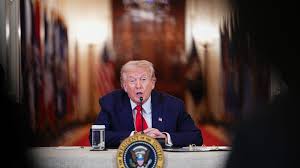
As the geopolitical landscape shifts, Latin American leaders are increasingly finding themselves at the center of high-stakes diplomatic maneuvers. The recent announcement by former U.S. President Donald Trump regarding a proposed 17-nation alliance aimed at countering drug cartels has sent ripples across the continent. This move, described by French media outlets as a 'strategic pivot' toward regional security, highlights the complex interplay between U.S. foreign policy and Latin American sovereignty.

The CNN Spanish-language report reveals that multiple leaders from Latin America have been invited to a summit alongside Trump, raising questions about the direction of U.S.-Latin American relations. With economic dependencies and historical tensions between Washington and regional governments, this diplomatic initiative appears designed to balance U.S. influence against growing Chinese economic engagement in the region.

Analysts suggest that this initiative reflects a broader strategy by the U.S. to secure its economic interests in Latin America while countering the influence of major global powers like China. The summit, set to take place in Miami, has drawn attention to the economic and security challenges that Latin American countries face in navigating these dual pressures.

According to France 24, Trump’s announcement of a 17-nation alliance to 'destroy' drug cartels has been met with cautious optimism from some Latin American nations, particularly those with significant drug trafficking issues. However, critics argue that such a move risks further marginalizing smaller nations in favor of larger players with stronger economic ties to the United States.

Latin American nations have historically struggled with balancing their economic relationships with both U.S. and Chinese entities. The region's diversity of economic models, from resource-dependent economies to emerging tech hubs, creates a complex environment where alignment with one power can have significant implications for long-term stability.

The 'Shield of the Americas' initiative, highlighted by El País, marks a significant moment in U.S.-Latin American diplomatic relations. The summit, held in Miami, has attracted 12 right-wing leaders from across the continent, signaling a potential shift in regional leadership dynamics. This gathering aims to address critical issues including drug trafficking, economic integration, and security cooperation.

Despite the positive framing of the initiative, challenges remain. Some analysts warn that the U.S. strategy could exacerbate existing inequalities between stronger and smaller economies within the region. Additionally, the involvement of Chinese economic actors in Latin American markets adds another layer of complexity to the regional security architecture.

As the summit proceeds, stakeholders must consider how these diplomatic efforts will translate into tangible outcomes for the region. The success of this initiative will depend on the ability of participating nations to navigate the delicate balance between aligning with U.S. interests and maintaining their economic autonomy.