Trump's College Sports Executive Order: A Controversial Move with Potential Impact

Editor 07 Mar, 2026 ... min lectura

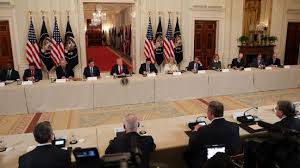
President Donald Trump has announced plans to sign a new executive order targeting long-standing issues in college sports governance. The move comes after a two-hour roundtable meeting with stakeholders, including NCAA representatives and university officials. This initiative aims to address concerns raised by college athletes and institutions over years of systemic challenges. The executive order, expected to be finalized within weeks, signals a potential shift in federal oversight of collegiate athletics.

Under the proposed framework, the federal government would assume greater authority over college sports policies, particularly in areas where state and institutional control has historically been fragmented. Key areas of focus include athlete compensation, academic eligibility standards, and the handling of academic misconduct. Critics argue that this approach could lead to overreach, especially given the complexity of balancing national interests with the diverse needs of individual institutions.

The controversy surrounding this executive order has already drawn attention from various sectors of the college sports ecosystem. NCAA members have expressed concerns about the potential for conflict with existing federal regulations, particularly regarding the revenue sharing model between universities and their athletes. Some argue that the proposed changes could disrupt the delicate equilibrium that has maintained stability in college athletics for decades.

Supporters of the initiative, however, highlight the urgency of addressing issues that have been overlooked for years. With student-athletes increasingly demanding fairer treatment and more transparent systems, this move could catalyze significant reforms. The roundtable discussions revealed a growing consensus among stakeholders that the current system requires immediate attention, especially as the number of student-athletes seeking compensation for past injuries continues to rise.

The potential impact of this executive order extends beyond immediate policy changes. It could reshape the financial dynamics of college sports, particularly with the increasing commercialization of athletic programs. Universities and athletes alike are already navigating a complex landscape where revenue streams from sponsorships and media rights intersect with academic requirements. Without clear federal guidance, these tensions could intensify, leading to further instability.

As the administration prepares to finalize the executive order, stakeholders are preparing for potential legal challenges. The previous administration’s handling of similar issues has set a precedent for litigation, and this new proposal is expected to face significant opposition from organizations that have long advocated for state-level autonomy in educational matters.

Experts warn that the success of this initiative will depend on careful implementation and collaboration between federal, state, and institutional stakeholders. Without a well-defined framework, the executive order could create unintended consequences, particularly in areas where college sports have traditionally operated under a decentralized structure.

With the college sports landscape evolving rapidly, this executive order represents a critical juncture. The administration’s ability to navigate these challenges without causing further disruption will be closely watched by the entire college sports community.