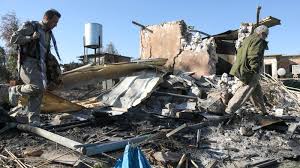
Israel and Iran have entered a new phase of military confrontation following a series of coordinated strikes targeting Iranian military assets and strategic locations in Tehran and Beirut. The conflict, which began with Israeli airstrikes on the Lebanese capital, has rapidly intensified, prompting widespread international concern and diplomatic repercussions across the Middle East. With the United States and key allies involved, the situation has escalated into a complex regional crisis with implications for global energy security, regional stability, and geopolitical alliances.
The Israeli military has confirmed that it has launched heavy airstrikes on multiple Iranian military facilities in Tehran, marking a significant escalation in its campaign against Iranian nuclear and missile capabilities. According to sources close to the operation, Israeli forces targeted a military academy in Tehran, which has been identified as a key training ground for Iranian military personnel. These strikes have been conducted in coordination with the United States, which has maintained a cautious but supportive stance in the ongoing conflict. The United States government has not publicly confirmed direct involvement, but intelligence reports suggest that the US is providing strategic guidance and support to Israeli operations.
Amid the chaos, the conflict has drawn attention to the broader implications of the Middle East crisis. The Guardian reported that Israeli forces have also targeted areas in Beirut, including military installations and infrastructure critical to the region’s energy supply. The attacks have disrupted critical supply chains and raised concerns about the potential impact on regional economies, particularly in the oil and gas sectors. With the US temporarily allowing India to purchase Russian oil amid energy market volatility, the situation has further complicated global energy dynamics and geopolitical relations.
The crisis has also highlighted the challenges of maintaining regional stability in a region already experiencing significant political and economic instability. The involvement of major global powers, including the United States, has introduced a new layer of complexity to the conflict, with potential consequences for international trade, diplomatic relations, and security alliances. The conflict has also raised questions about the effectiveness of existing diplomatic frameworks in addressing the growing tensions between Israel and Iran.
Analysts suggest that the escalation is part of a broader strategy by Israel to pressure Iran into compliance with international demands, particularly regarding its nuclear program. The Israeli military has stated that it is focusing on dismantling Iranian military capabilities and infrastructure to prevent further threats to regional security. However, this approach has led to increased tensions with Iran, which has responded with retaliatory actions, including strikes on Israeli military targets in the region.
The situation has been further complicated by the involvement of other global powers, including the United States, which has sought to mediate between the conflicting parties while maintaining a cautious stance on direct military involvement. With the US and Israel coordinating closely on intelligence and strategic planning, the conflict has become a critical test of diplomatic and military coordination in a rapidly evolving situation.
As the conflict continues to unfold, the international community has been urged to take a more proactive role in de-escalating tensions and preventing further escalation. The risk of further military actions and regional instability remains high, and the situation could quickly spiral into a broader regional conflict with significant implications for global security and economic stability.