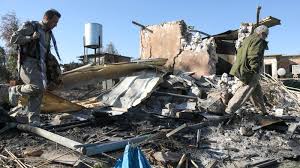
The Middle East is experiencing unprecedented escalation as Israeli forces intensify strikes against Iranian military targets in Tehran and Beirut. According to live updates from multiple news sources, the Israeli military has confirmed a 'new stage' in its campaign against Iran, with the U.S. government signaling potential further escalation amid heightened regional instability.
Israeli Defense Minister Netanyahu has stated that the Israeli military has launched 'additional surprising moves' targeting Iranian military infrastructure, including a key military academy in Tehran. The strikes, which have reportedly hit critical infrastructure, are part of a broader strategy to disrupt Iranian nuclear capabilities and military operations. The U.S. has confirmed that it is maintaining diplomatic channels with key regional players while urging restraint, though tensions continue to rise.
Amid these developments, the U.S. has temporarily permitted India to purchase Russian oil under energy security concerns, a move that has drawn criticism from some Western allies. This decision, made in response to global energy market volatility, highlights the interconnected nature of regional conflicts and global economic policies. The move has also sparked concerns about potential ripple effects on international trade and energy supply chains.
Analysts suggest that the current phase of conflict is driven by complex geopolitical factors, including Iran's nuclear ambitions, regional power dynamics, and the U.S.'s strategic interests in the Gulf. The Iranian government has been actively defending its positions, with officials claiming that the attacks are 'designed to provoke' and that Tehran remains committed to its regional security interests.
International observers have raised concerns about the humanitarian impact of these strikes, particularly in civilian areas near Beirut. The United Nations has called for immediate de-escalation and dialogue to prevent further civilian casualties. Meanwhile, the U.S. is working with regional partners to monitor the situation and prevent further escalation, though the situation remains volatile.
The conflict has also raised questions about the role of global powers in mediating regional crises. With Trump's involvement in the selection process of Iran's leadership, the diplomatic landscape is becoming increasingly complex. The U.S. has indicated that it will continue to support Israel while seeking a peaceful resolution to the crisis, but the path forward remains uncertain.
As the situation continues to evolve, the international community must prioritize diplomacy and humanitarian considerations to prevent further escalation. The risk of unintended consequences, including economic instability and prolonged conflict, cannot be overlooked.