Hangzhou Secures $3.7 Billion AI GPU Deal Amid China's Multi-Vendor Chip Strategy

Editor 06 Mar, 2026 ... min lectura

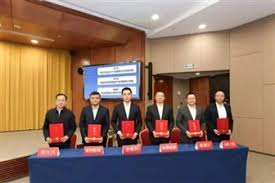
Hangzhou has emerged as a pivotal player in China's evolving artificial intelligence landscape with a landmark $3.7 billion investment in AI graphics processing units (GPUs). The city's strategic move, announced on February 28, signals a significant shift in how China approaches high-performance computing infrastructure. At the Hangzhou Civic Center, a major AI development summit was held to position the city as a leading hub for artificial intelligence innovation. According to East Money and Xinhua, the summit resulted in 12 AI projects totaling CNY25.5 billion (approximately $3.71 billion) in investments. This initiative highlights China's broader strategy of fostering a multi-vendor ecosystem in semiconductor manufacturing, moving beyond single-supplier dependencies.

The most notable project unveiled at the summit was Sunrise's 'High-Performance GPU and Inference Chip R&D Project,' a critical component of the city's efforts to build robust AI infrastructure. As a Zhejiang-based company, Sunrise's involvement underscores the regional focus on developing high-speed inference capabilities essential for real-time AI applications. The deal, which includes advanced GPU development, aims to address the growing demand for energy-efficient computing solutions in an increasingly AI-driven economy.

Analysts suggest that Hangzhou's approach reflects a deliberate strategy to balance national security concerns with technological advancement. By diversifying its supply chain across multiple domestic manufacturers, the city seeks to mitigate risks associated with geopolitical tensions and global semiconductor shortages. This multi-vendor strategy is part of a larger national initiative to reduce reliance on Western technology, particularly in critical infrastructure sectors like AI and data centers.

The summit also highlighted partnerships between local governments, academic institutions, and private enterprises, emphasizing the collaborative nature of China's tech development. These partnerships are designed to accelerate innovation while ensuring compliance with national data localization policies, which are crucial for protecting sensitive information and maintaining control over critical infrastructure.

Experts caution that while the $3.7 billion investment represents a major milestone, the success of this initiative will depend on sustained policy support and technological breakthroughs. The global semiconductor shortage has intensified pressure on Asian economies to develop indigenous capabilities, and Hangzhou's approach could set a precedent for other cities aiming to become regional tech hubs.

The implications of this development extend beyond Hangzhou itself. As China continues to expand its AI capabilities, the role of cities like Hangzhou in driving innovation will be crucial for the country's technological sovereignty. With over 30% of China's AI infrastructure now based in these emerging hubs, the city's strategy could significantly influence the global semiconductor industry's trajectory.