U.S. Military Leadership Faces Pressure Amid Escalating Iran Conflict

Editor 06 Mar, 2026 ... min lectura

The U.S. military continues to face unprecedented challenges as the ongoing conflict with Iran intensifies. Recent developments have placed significant strain on high-ranking officials, particularly Admiral Brad Cooper, who serves as the Commander of U.S. Central Command. Cooper’s role in coordinating military operations against Iranian forces has become a focal point of attention amid growing concerns about resource allocation and strategic objectives.

Defense Secretary Pete Hegseth’s recent remarks during a press briefing in Tampa highlighted the complexities of the current military campaign. Hegseth stated that Iran is attempting to undermine U.S. operational capabilities by targeting the sustainability of American military efforts. However, he emphasized that U.S. forces are prepared to 'sustain the fight for as long as it takes,' indicating a robust and resilient strategy for Operation Epic Fury. This statement has drawn mixed reactions from various stakeholders within the defense establishment and the broader military community.

Admiral Brad Cooper, leading the Central Command's operations in the Middle East, has been tasked with managing critical logistics and intelligence coordination. His strategic decisions have been pivotal in maintaining the momentum of the military campaign against Iranian forces. Reports suggest that Cooper has been working closely with Hegseth to ensure seamless communication and tactical adjustments as the conflict evolves.

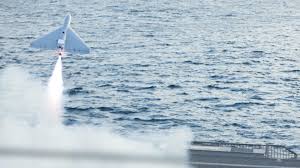
The recent news conference held by Hegseth and Cooper has underscored the high-stakes nature of the conflict. With the war against Iran now entering its sixth day, there are increasing calls for transparency regarding the military’s ability to maintain operational tempo and protect coalition forces. The briefing also revealed new information about a recently identified Iranian warship that was reportedly sunk by U.S. forces, a development that has raised questions about the effectiveness of current countermeasures.

Analysts have highlighted the importance of clear communication channels between military leadership and congressional oversight. The recent incident involving a critical Iranian warship has prompted additional scrutiny on the decision-making process and resource management within the Department of Defense. This situation has become a key point of discussion among defense experts, who are emphasizing the need for greater coordination between different branches of service and intelligence agencies.

As the conflict continues to escalate, the role of senior military officials like Cooper and Hegseth becomes increasingly critical. Their ability to adapt to evolving threats and maintain operational readiness will determine the outcome of this critical phase of the conflict. The situation remains fluid, with both sides continuing to adjust their strategies based on real-time intelligence and tactical assessments.