Moscow Engagement with Hungary Amid Energy Crisis and Diplomatic Tensions

Editor 05 Mar, 2026 ... min lectura

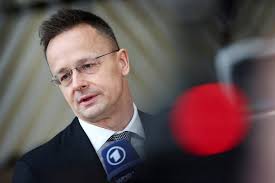
Moscow has recently intensified diplomatic engagement with Budapest, focusing on energy security and resolving longstanding disputes between Russia and Hungary over bilateral relations. The move follows a series of high-stakes interactions between Russian leadership and Hungarian officials, particularly in the context of escalating global energy challenges. According to recent reports, Russian President Vladimir Putin convened a meeting with Hungarian Foreign Minister Péter Szijjártó during his visit to Moscow, aiming to address critical infrastructure issues, including the damage to the Druzhba pipeline, which has disrupted critical energy flows between the two nations.

The meeting, held at the Kremlin on March 4, 2026, marks a significant step in bilateral relations between Russia and Hungary. Péter Szijjártó, a key figure in Hungarian diplomacy, has been vocal about the need for stable energy supply chains amid the ongoing conflict in the Middle East, particularly Iran. During his discussions with Putin, Szijjártó emphasized the global implications of the energy crisis, highlighting how the war in Iran has exacerbated supply disruptions and strained economies worldwide.

One notable development is the recent release by Russia of two ethnic Hungarian prisoners—Hungarian-Ukrainian dual citizens—after diplomatic negotiations between Moscow and Budapest. This action, though seemingly symbolic, underscores the complex interplay between regional security, ethnic identity, and international relations. The release has drawn mixed reactions from Kyiv, which has expressed concern over potential security repercussions for Ukrainian nationals held in Russian facilities.

Analysts suggest that the Moscow engagement reflects a broader strategy by Russia to secure its influence in Eastern Europe while addressing the energy crisis. Hungary, as a key transit country for energy resources, has become a critical partner for Russia in navigating the post-Cold War energy landscape. The discussions between Szijjártó and Putin have focused on ensuring uninterrupted access to critical energy infrastructure, particularly in light of recent damage to the Druzhba pipeline, which has disrupted gas flows to Europe.

Additionally, the meeting highlights the delicate balance of power in the post-Soviet space. With the global energy market experiencing unprecedented volatility due to geopolitical conflicts, countries like Hungary are increasingly reliant on Russian energy exports, despite tensions with Western powers. This dynamic has led to a reevaluation of traditional alliances and a push for alternative energy partnerships.

The outcome of these talks could have significant implications for regional stability, particularly in the context of the ongoing Ukraine conflict and the broader energy security challenges facing Europe. While Moscow seeks to strengthen its economic ties with Budapest, the diplomatic friction between Kyiv and Moscow remains unresolved, adding a layer of complexity to the negotiations.